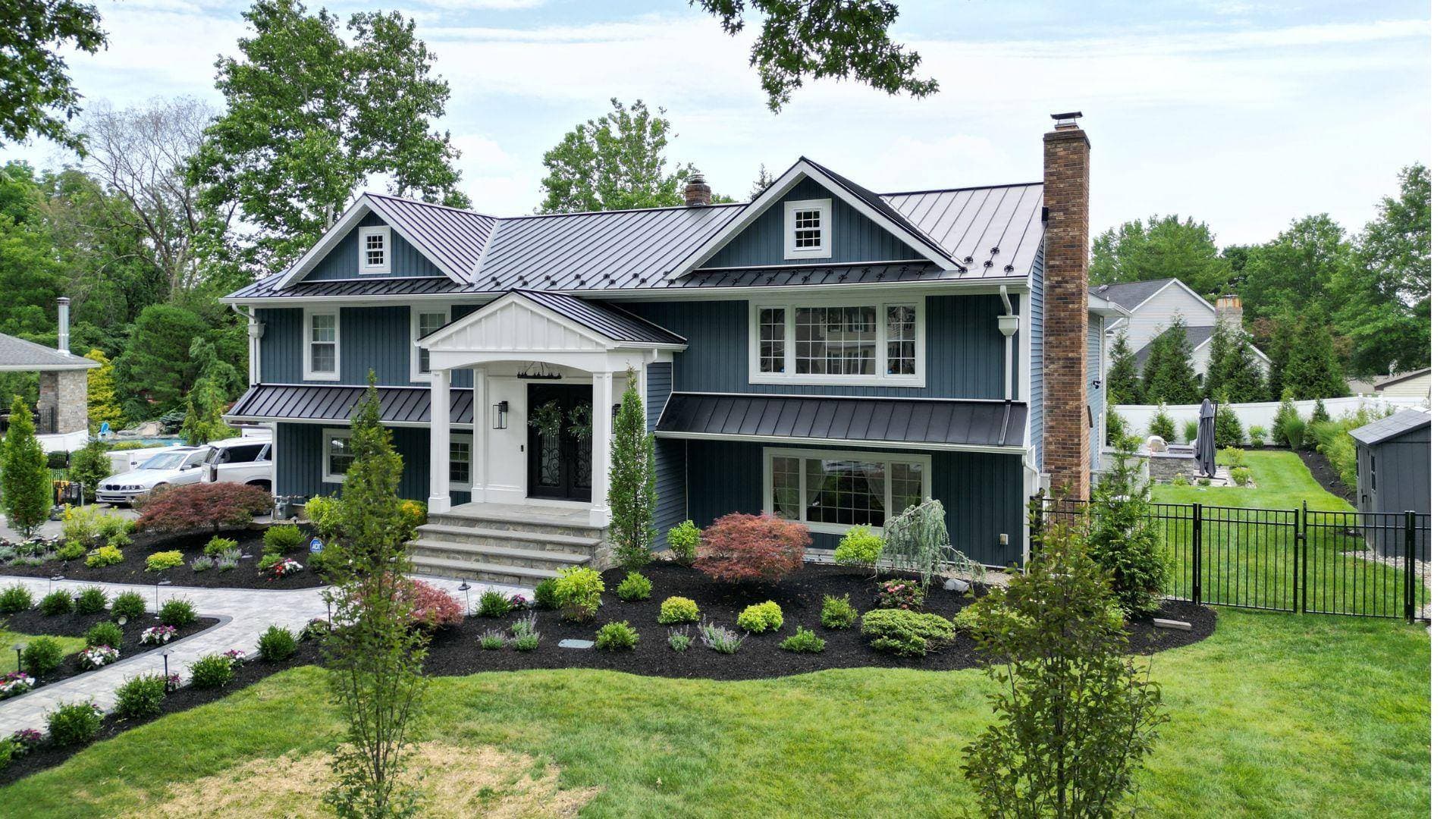
Roofing Company in Rocky Hill, NJ
Your roof has to perform through New Jersey's changing seasons. We help Rocky Hill homeowners understand when a roof needs attention, what may be causing a problem, and which roofing solution makes sense.
A Roof Has to Handle Every Season
Roofing performance isn't static. It is constantly tested by intense summer heat, freezing winter temperatures, heavy spring rains, and fall debris. A healthy roof must be prepared to handle it all.
Prepare
Understand what a healthy roof, flashing, and drainage system should be doing before severe weather hits.
Observe
Notice changes in your roof's condition during seasonal transitions or after major weather events.
Respond
Determine what observations require immediate professional attention versus what can be monitored.
Restore
Repair localized damage or replace the system when evidence points to broad material failure.
Maintain
Keep gutters clear and the system prepared to face the next season of New Jersey weather.
New Jersey Weather Tests Every Component
Your roof is a system of interconnected materials designed to shed water and breathe. Each season stresses different parts of this system.
- Summer:Prolonged UV exposure and extreme heat can cause asphalt shingles to lose their flexibility and granules. Poor attic ventilation accelerates this "baking" process from the inside.
- Winter:Freeze-thaw cycles can pry at loose flashing. If heat escapes into the attic, snow can melt and refreeze at the eaves, creating ice dams that force water under the shingles.
- Spring/Fall:Heavy rains and wind test the adhesive sealants. Falling leaves and debris can quickly clog valleys and gutters, backing water up into the roof structure.
Gutters and Valleys: The Front Lines
A roof is only as good as its drainage. In Rocky Hill, where mature landscaping is common, managing water flow is critical year-round.
These are the intersections where roof planes meet. They channel massive volumes of water during heavy rain. If debris accumulates here, it creates natural dams that force water laterally under the shingles.
Once the roof sheds the water, the gutters must transport it safely away. If gutters overflow, water can rot the wooden fascia board, compromise the roof edge, and eventually threaten the foundation.
What to Look for as the Seasons Change
You don't need to be a roofer to observe changes in your property. Ground-level observation during seasonal shifts can help you catch problems early.
🍂 Heading into Winter
- Gutter Flow: Are downspouts directing water away from the foundation?
- Valleys: Are they clear of late-fall debris?
- Shingle Condition: Are any tabs visibly lifted or missing before the snow flies?
- Flashing: Does the metal around the chimney look secure?
🌱 Heading into Summer
- Granule Loss: Is there an accumulation of gritty material at the end of the downspouts?
- Winter Damage: Did ice or high winds displace any materials?
- Attic Heat: Does the attic feel excessively hot, suggesting vents may be blocked?
- Water Stains: Did the spring thaws reveal any new ceiling marks?
The Difference Between Reaction and Maintenance
Not every observation requires an emergency call. Knowing when to act is key to responsible homeownership.
Curling shingles, moderate granule loss, or rusted flashing. These are signs of aging that indicate you should begin planning for restoration, but the roof is still keeping water out.
Active water dripping from ceilings, large patches of missing shingles exposing the underlayment, or significant damage following a major storm event.
Repairing the Damage vs Restoring the System
When an issue arises, the evidence dictates the solution. We evaluate whether you need a localized fix or a comprehensive replacement.
A Targeted Repair is appropriate when a failure is isolated on an otherwise healthy roof. Examples include a damaged pipe boot, a single section of torn flashing, or a few shingles lifted by high wind.
A System Restoration (Replacement) is necessary when the materials are broadly fatigued, the shingles are brittle and cracking, the decking underneath is compromised by long-term moisture, or systemic ventilation issues cannot be solved with minor patches.
When the Unexpected Happens
Severe weather—high winds, hail, or sudden heavy snow—can instantly change a roof's condition. Safe observation is critical.
- Observe safely from the ground. Look for lifted edges or displaced materials in the yard.
- Check the interior. Look for new moisture marks on ceilings or in the attic.
- Document. Take clear photographs of any visible damage from a safe distance.
- Do not climb. A storm-damaged roof is incredibly dangerous.
- Get an evaluation. Have a professional assess the true scope of the impact.
Why Roofing Estimates Vary
Homeowners often wonder why roof replacements aren't priced at a flat rate. The estimate is determined by much more than just the square footage of the house.
Geometry & Pitch: A steep roof with multiple dormers, valleys, and varying planes requires significantly more labor, safety equipment, and custom flashing than a simple, walkable gable roof.
Decking Condition: If the plywood beneath the old shingles is rotted, it must be replaced to provide a secure nailing surface.
Ventilation Updates: A proper replacement often includes bringing intake and exhaust ventilation up to modern standards.
Roof Replacement
Complete tear-off and installation of high-performance residential roofing systems designed to handle New Jersey's demanding weather.
Explore Replacement →Roof Repair
Targeted fixes for isolated failures, such as damaged flashing, compromised pipe boots, or localized shingle damage.
Explore Repair →Roof Inspections
Comprehensive evaluations to determine the actual condition of your roofing system, drainage, and ventilation.
Explore Inspections →Storm Damage
Post-storm assessments to identify wind or hail damage, providing you with factual evidence for restoration decisions.
Explore Storm Services →Prepare Your Roof for the Next Season
Request a comprehensive inspection and receive factual diagnostics for your Rocky Hill property.
Tell us about your roof and receive a free replacement estimate from our roofing team.
Residential Roofing in Somerset County
Rocky Hill Roofing FAQs
How does seasonal weather affect a residential roof in New Jersey?
Summer UV rays cause shingles to become brittle over time, while winter freeze-thaw cycles can pry at loose flashing or cause ice dams if ventilation is poor. High winds test the adhesive seals of aging shingles.
When is the best time to evaluate roof condition?
Ideally, observing your roof from the ground during seasonal transitions (Spring and Fall) or after major weather events allows you to spot drainage issues, missing materials, or new signs of wear before the next extreme season begins.
Is it better to repair a localized leak or restore the entire roof?
It depends on the underlying cause. If a leak stems from a single failed pipe boot on a healthy roof, a repair is appropriate. If the leak is a symptom of widespread material fatigue or systemic ventilation failure, restoring the entire system is the better investment.
Why are gutters considered part of the roofing system?
A roof sheds water, but the gutters must safely transport it away from the home's foundation and siding. If gutters clog or fail, water can back up under the roof's edge and rot the fascia or decking.
What should I do if a storm damages my roof?
Observe the damage from the ground, check your interior ceilings for signs of active water intrusion, take photographs, and schedule a professional inspection. Do not climb onto a potentially compromised roof yourself.