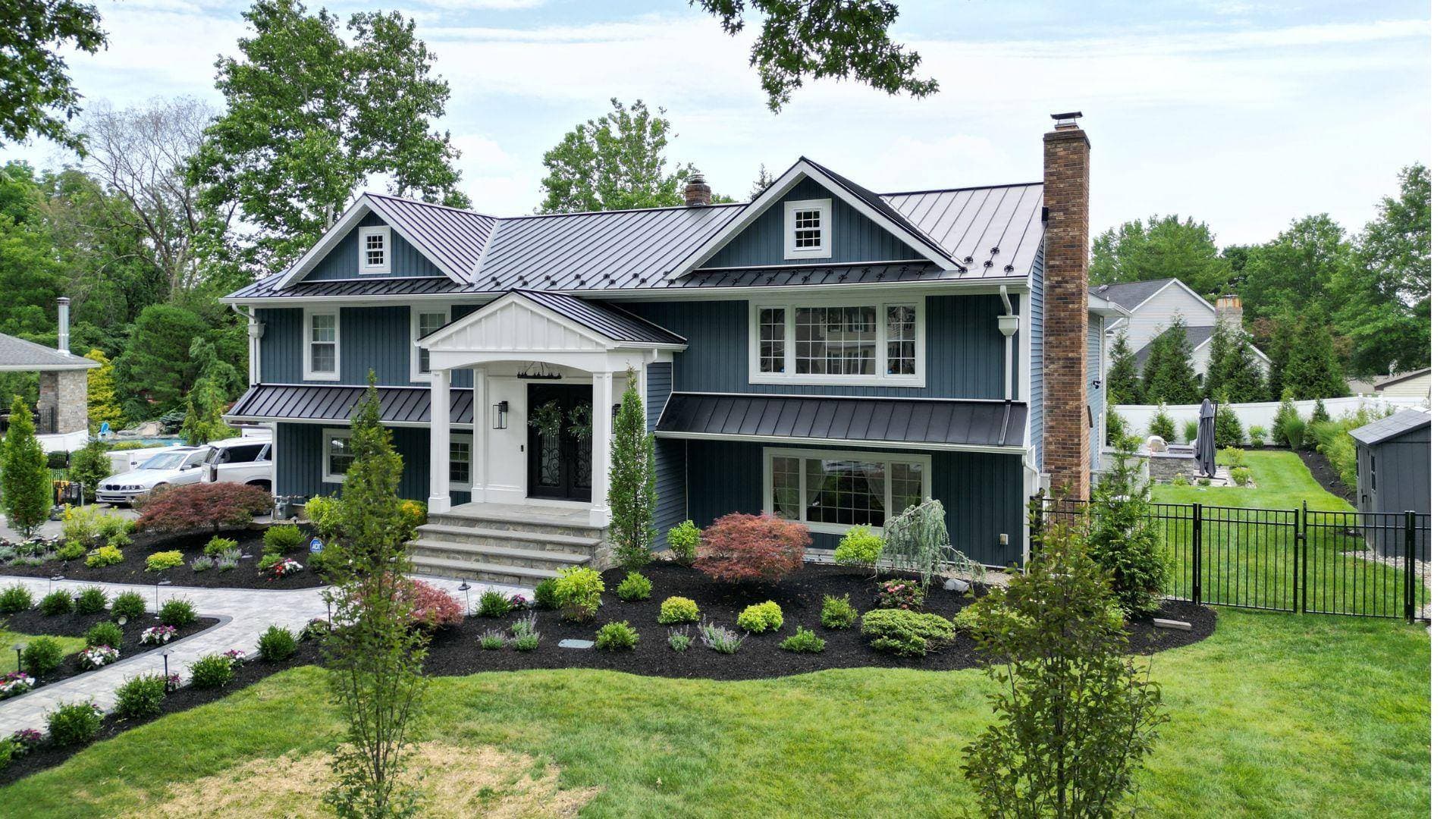
Roofing Contractor in Peapack and Gladstone, NJ
Apex Roofing Solutions NJ helps homeowners in Peapack and Gladstone understand roof longevity, recognize early warning signs, and make informed maintenance decisions.
How Long Can Your Roof Keep Doing Its Job?
A roof is an asset that requires observation and maintenance, rather than something you should ignore until a major leak occurs. Understanding its lifecycle helps you make better decisions.
Age
We track the age of your system while recognizing that age is only one factor in its performance.
Evidence
We look for visible signs of deterioration, missing materials, or early flashing failures.
Maintenance
We encourage regular ground-level observation and timely professional evaluations.
Intervention
We repair localized problems before they compromise the entire structural deck.
Longevity
We help you maximize the useful service life of your current roofing system.
Roof Age Is Only the Start
Homeowners often ask if their roof needs replacing simply because it reached a certain age. Age alone does not determine whether a roof needs replacement.
Two roofs installed in the same year can have vastly different remaining service lives. The true condition depends on:
- Ventilation: Poor attic airflow bakes shingles from the inside out, drastically reducing their lifespan.
- Flashing Quality: Rusting metal around chimneys often fails years before the shingles do.
- Storm Exposure: A single severe wind event can break the adhesive seals on otherwise healthy materials.
A Roof Is More Than the Surface
When you look at your home, you see the roof covering (shingles). But a healthy roof relies on a complex, interconnected system beneath that surface.
The underlayment provides a secondary waterproof barrier over the wooden decking. If the decking rots, the entire system is compromised.
Flashing seals the vulnerable transitions and penetrations, while drip edges and valleys ensure water is efficiently directed into the drainage system.
Understanding this system helps you see why professional evaluation is so critical.
Find the Small Signs Before They Become Bigger Problems
The key to roof longevity is catching minor issues before they cause structural decay. Here is what you might notice from the ground.
On the Roof
- • Missing or displaced shingles
- • Curling or cracking edges
- • Granule loss (looks like dark patches)
- • Damaged pipe boots
- • Visible sagging in the roof deck
Around the House
- • New ceiling staining
- • Unexplained attic moisture
- • Damp or compressed insulation
- • Recurring water marks after heavy rain
Around Drainage
- • Damaged or sagging gutters
- • Loose components or brackets
- • Debris overflowing the edges
- • Water spilling over during normal rain
Preventative Maintenance
Reasonable homeowner maintenance doesn't mean climbing ladders. It means keeping an eye on gutters, watching for changes after storms, documenting repairs, and addressing recurring leaks promptly. Frame maintenance as observation, and let a professional handle the evaluation.
Seasonal Roof Checklist
Before Severe Weather
Check visible roof condition, observe gutters and drainage, and note any existing problem areas.
After Severe Weather
Inspect from the ground, photograph visible damage, check accessible interior ceilings for new water intrusion, and schedule an evaluation if needed.
Before Major Work
Gather previous repair records, determine approximate roof age, identify recurring issues, and prepare questions for the contractor.
The Homeowner Roof Record
Keeping a simple file can make future inspections and replacement decisions much easier. We recommend recording:
- ✓ Approximate installation date
- ✓ The specific material type or brand
- ✓ Dates and locations of previous repairs
- ✓ History of any interior leak locations
- ✓ Professional inspection dates
- ✓ Contractor documentation and warranty info
Repair, Maintain, or Replace?
What Should an Inspection Tell You?
A useful inspection answers specific questions: What was found? Where is the source? Is the issue localized or widespread? What components are affected? Is repair technically appropriate? If replacement is recommended, what evidence supports it?
Why Estimates Vary
Estimates differ because scope differs. Factors include roof size, complex geometry, steep pitch, the need for new flashing, ventilation upgrades, required decking replacement, and the specific materials chosen.
Try the Cost Calculator →A Storm Changes the Question
After significant weather, you are no longer asking "how old is my roof?" You are asking "is my roof damaged?" Observe from a safe location, photograph visible damage, and arrange a professional inspection to document the facts.
Residential Roofing Services
Providing Peapack and Gladstone homeowners with honest assessments and high-quality craftsmanship.
Roof Replacement
Complete installation of modern roofing systems when your current roof has reached the end of its useful life.
Explore Replacement →Roof Repair
Targeted repairs for localized issues, preserving the integrity of roofs that still have years of service left.
Explore Repair →Roof Inspections
Factual evaluations providing you with the documentation you need to make informed maintenance decisions.
Explore Inspections →Storm Damage
Professional assessment of wind or hail impacts to help you determine the appropriate restoration path.
Explore Storm Services →Evaluate Your Roof's Lifespan
Request a comprehensive inspection and receive factual diagnostics for your Peapack and Gladstone property.
Tell us about your roof and receive a free replacement estimate from our roofing team.
Residential Roofing in Somerset County
Peapack and Gladstone Roofing FAQs
How do I know how much life is left in my roof?
Remaining service life depends on material, age, installation quality, weather exposure, ventilation, and maintenance. A professional inspection evaluates all these factors to give you an accurate assessment.
Does an older roof automatically need replacement?
No. Age alone does not establish the need for replacement. A 15-year-old roof with excellent ventilation and proper flashing may have years of life left, while a 10-year-old roof with systemic defects might require immediate replacement.
What are early signs of roof problems?
Early warning signs include curled or missing shingles, excessive granule loss, damaged pipe boots, new water stains on interior ceilings, and gutters that consistently overflow during normal rain.
How often should I have my roof evaluated?
Inspection needs depend on the roof's age, condition, and recent severe weather events. We recommend a professional evaluation if you observe new visible damage or experience active water intrusion.
What should I do after a storm?
Observe the roof from a safe ground-level location, check your attic and ceilings for new moisture, and document any visible damage with photographs. Do not climb onto the roof yourself; schedule a professional inspection.