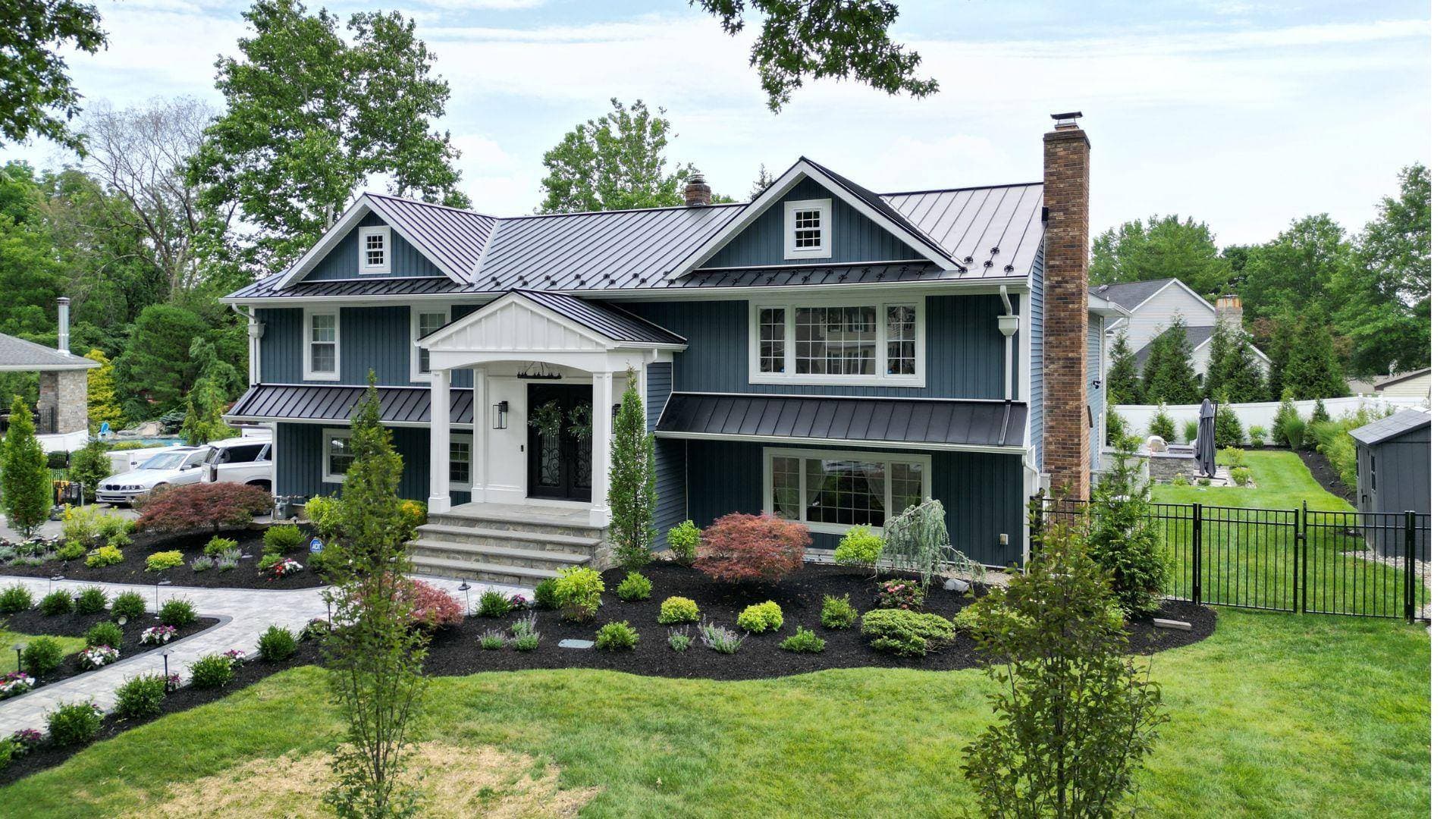
Roofing Contractor in South Bound Brook, NJ
Apex Roofing Solutions NJ provides expert residential roofing services for South Bound Brook homeowners, specializing in tracing leaks, proactive repairs, storm damage evaluation, and complete roof replacements.
Where Did the Water Start?
A visible roof leak, ceiling stain, or gutter problem is just a symptom. To provide a permanent solution for your South Bound Brook home, we must trace the water back to its true source.
NOTICE
You observe a ceiling stain, a missing shingle, or excessive gutter runoff.
TRACE
We track the evidence from the visible symptom up into the roofing system.
INSPECT
We physically examine the flashing, penetrations, and decking at the suspected breach.
REPAIR
We provide targeted solutions or recommend replacement if the system has failed.
PREVENT
We restore the integrity of the roof to protect against future New Jersey weather.
A Leak Is a Clue, Not a Map
The place where you see water is rarely where the water entered.
Water follows gravity and the path of least resistance. A breach at a chimney flashing or a high roof valley can allow water to enter the attic, run down a sloping structural rafter for ten feet, pool on the drywall, and finally drop into a bedroom ceiling far from the actual hole.
Applying sealant directly above the ceiling stain usually fails. An inspection is required to definitively trace the source through the underlayment, decking, and attic pathways before selecting a repair.
How Roof Water Should Move
A healthy roof is essentially a highly efficient water management system. When this flow is interrupted, damage occurs.
Shingles shed water downward. Intersections (valleys) act as funnels. Damaged shingles or debris in valleys force water sideways under the materials.
Water must transition cleanly off the roof edge. Missing drip edge allows capillary action to pull water backward into the wood fascia, causing rot.
Gutters capture the velocity of the runoff. Blocked or improperly pitched gutters allow water to back up under the lowest row of shingles, penetrating the home.
What Can a Homeowner Safely Check?
You can gather critical diagnostic information without putting yourself at risk. Here is what to look for before calling a roofing contractor.
👀 From the Ground
- Missing or lifted shingles
- Visibly sagging roof decks
- Disconnected or overflowing gutters
- Rusted flashing around chimneys
- Excessive shingle granules near downspouts
🏠 From Inside
- New yellow or brown ceiling stains
- Peeling paint near wall/ceiling joints
- Damp insulation in accessible attics
- Water marks running down rafters
- Light showing through the roof deck
⚠️ What Not To Do
- Do not climb onto a damaged roof.
- Do not walk on steep or slippery surfaces.
- Do not attempt to staple tarps yourself during a storm.
- Leave high-altitude physical inspections to trained professionals.
South Bound Brook Homeowner Decision Guide
Use this matrix to understand the relationship between what you are seeing and what action is required next.
| What you notice | What it may mean | What to do next |
|---|---|---|
| One damaged or missing shingle | Localized damage may be possible, often from wind. | Have the area evaluated for a targeted repair. |
| Repeated leak in the same area | An underlying systemic issue may remain unresolved from past repairs. | Professionally trace the source through the attic or decking. |
| Multiple damaged roof areas | Broader material failure, extreme age, or severe storm damage may exist. | Schedule a comprehensive whole-roof inspection. |
| Ceiling stain appearing after heavy rain | Water entered somewhere in the system and traveled to the drywall. | Investigate the source by following the water path upward. |
| Aging roof with curling shingles | The materials have reached the end of their useful waterproofing life. | Discuss repair viability versus full replacement options. |
Repair or Replacement: The Evaluation Process
We do not prescribe arbitrary age limits for roofs. A professional evaluation considers multiple factors to determine if a repair is financially sensible or if a replacement is required:
After the Storm: Document Before You Climb
If South Bound Brook experiences severe wind or hail, follow this safe response process:
- 1. Observe the exterior from a safe location on the ground.
- 2. Photograph visible damage when possible.
- 3. Look for signs of water intrusion inside your top floors.
- 4. Avoid climbing onto the roof.
- 5. Arrange a professional inspection if damage is suspected.
- 6. Keep photographs and other documentation safely filed.
- 7. If filing an insurance claim, retain relevant documentation and follow your insurer's process.
Your Roof Is an Interconnected System
Replacing visible shingles may not address an underlying leak if other components have failed. A modern residential roof consists of:
- Roof covering (shingles)
- Underlayment (water barrier)
- Flashing (metal seals)
- Decking (structural wood)
- Ventilation (intake/exhaust)
- Drip edge (fascia protection)
- Valleys (water channels)
- Pipe penetrations
Why Roofing Estimates Differ
Legitimate roofing estimates reflect the actual scope of work required to build a permanent system. Costs vary based on:
Questions to Ask a Roofing Contractor
Roof Replacement
Complete removal and installation of durable residential roofing systems tailored to protect your home.
Explore Roof Replacement →Roof Repair
Diagnostic leak tracing and targeted repairs to resolve missing shingles, failing flashing, and compromised pipe boots.
Explore Roof Repair →Roof Inspections
Comprehensive physical evaluations to document the exact condition and remaining service life of your roofing system.
Explore Inspections →Storm Damage
Emergency response, tarping, and detailed documentation following severe New Jersey wind and hail events.
Explore Storm Services →Find Out Where the Water Started
Request a comprehensive inspection and receive transparent, factual diagnostics for your South Bound Brook property.
Tell us about your roof and receive a free replacement estimate from our roofing team.
Residential Roofing in Somerset County
South Bound Brook Roofing FAQs
How can I tell where a roof leak is coming from?
Visible water on a ceiling may not originate directly above the stain. Water travels along rafters and decking. A professional inspection is usually needed to trace the path back to the actual breach in the roofing system.
Does a roof leak automatically mean I need a new roof?
No. The appropriate solution depends on the source, the extent of the damage, and the overall condition of the roofing system. Isolated damage on a healthy roof can often be repaired.
What should I do after storm damage?
Observe your property from a safe ground location, photograph visible damage, and check interior ceilings for water intrusion. Do not climb onto the roof yourself; instead, schedule a professional assessment.
What should I look for after heavy rain?
Safely check for displaced shingles, overflowing gutters, loose flashing around chimneys or vents, and active water stains on your top-floor ceilings or inside your attic.
How can I tell if my roof needs repair or replacement?
A professional will evaluate the roof's age, the condition of the shingles, the integrity of the wood decking, and the presence of recurring leaks to recommend the most cost-effective long-term solution.
What affects the price of roof replacement?
Estimates are based on legitimate variables including roof size, pitch, architectural complexity (like valleys and dormers), material selection, removal requirements, and the condition of the underlying wood deck.