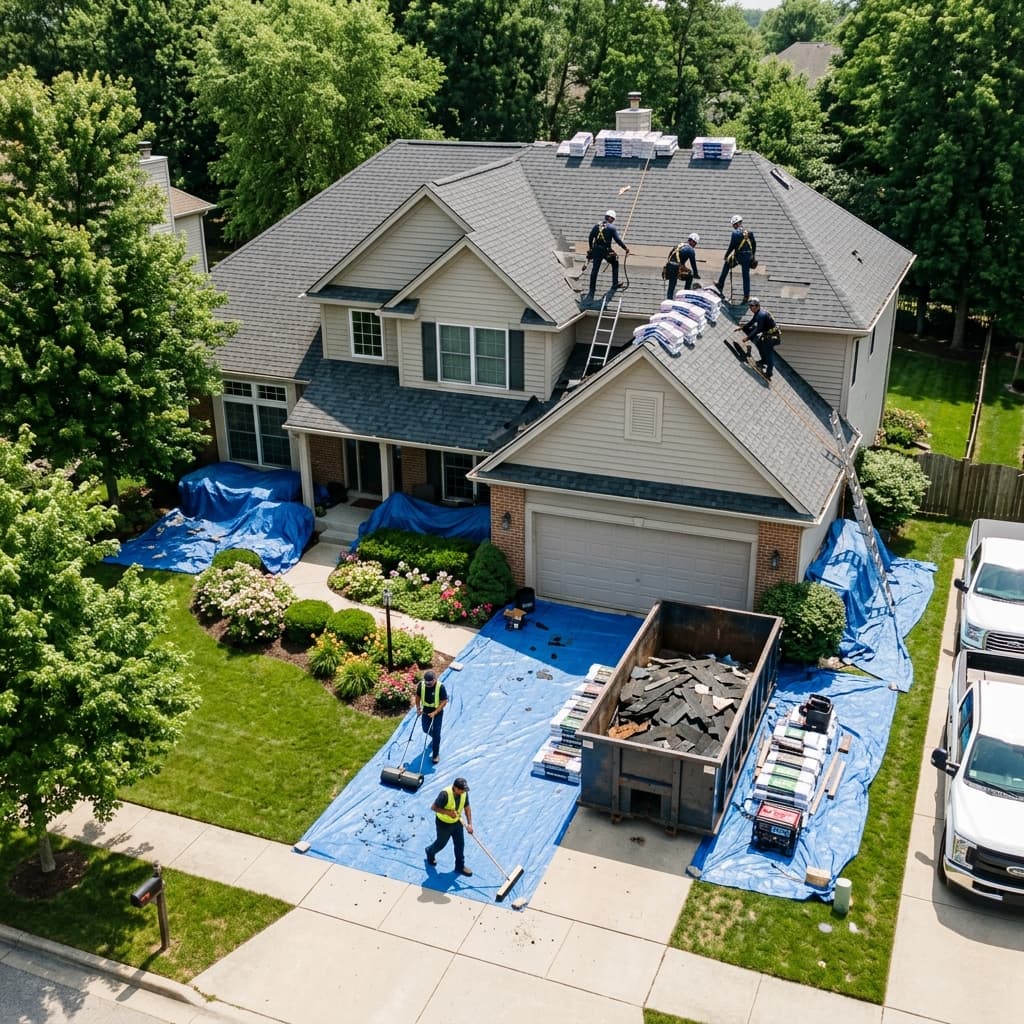
Severe weather and wind-driven rain can stress even well-built homes. For Lyndhurst homeowners, evaluating the aftermath of a strong storm is crucial to maintaining the integrity of the roofing system.
Evaluating Roofs After Severe Weather
We provide detailed post-storm roof inspections, looking for lifted shingles, compromised flashing, and subtle signs of water intrusion. Our goal is to help you navigate replacement planning and execute repairs that restore your home's defense against the elements. We provide roofing services across Bergen County, ensuring your investment stands the test of time.
Residential Roofing
Expert roof replacement planning tailored to the architectural aesthetics of your neighborhood.
Learn More →Roof Repair & Maintenance
Targeted repairs addressing damage from fallen branches, debris buildup, and natural wear.
Learn More →Comprehensive Inspections
Preventative evaluations to maximize the long-term performance of your roofing system.
Learn More →Get Your Free Estimate
Common Questions in Lyndhurst
What does wind damage look like on an asphalt shingle roof?
Wind damage often appears as creased, folded, or entirely missing shingles. Even a slight lift can break the sealant bond, allowing water to enter.
How quickly should a roof be inspected after a major storm?
As soon as it is safe to do so. Delaying an inspection can allow hidden water intrusion to cause significant interior damage.
Are temporary repairs an option for storm damage?
Yes, we can apply emergency tarping and temporary patches to stabilize the roof while planning a permanent repair or replacement.
How does wind-driven rain bypass roofing materials?
High winds can push water upward, underneath the shingle overlaps and flashing, bypassing the standard downward-shedding design.
What is the lifespan of a newly replaced roof in Lyndhurst?
With proper installation and ventilation, a premium architectural shingle roof can last 25 to 30 years or more.