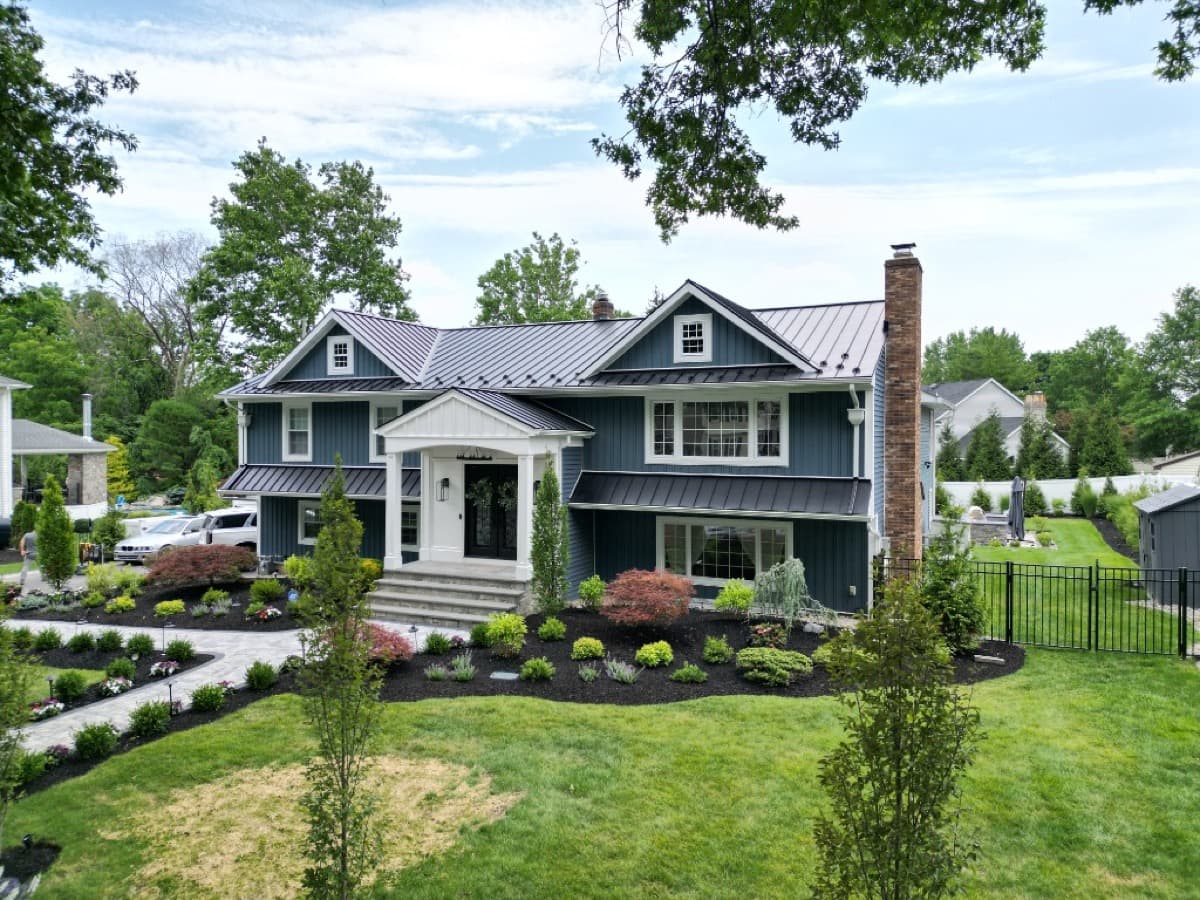
Quick Answer: What to Check Before Hiring a Metal Roofing Contractor
When evaluating a contractor for a metal roof, you should always verify their relevant metal roofing experience, valid New Jersey Home Improvement Contractor registration, and active general liability and workers' compensation insurance. Do not rely solely on general roofing experience.
Furthermore, you should check for specific manufacturer training or certification to ensure your warranty remains valid. Always ask for recent metal roofing references, request to see photos of completed projects, and require a highly detailed written estimate. A qualified contractor will demonstrate a clear understanding of flashing techniques, ventilation requirements, required permits, and New Jersey-specific building codes before you sign a contract.
1. Ask How Much Metal Roofing Experience They Actually Have
Installing an asphalt shingle roof is completely different from installing a metal roofing system. A contractor who has been in business for twenty years installing asphalt shingles may have zero experience with the precision required for standing seam metal. You need to confirm that they have a proven track record specifically with metal materials. Years in business alone do not establish how much experience a contractor has with a particular metal roofing system.
Questions to Ask About Experience
- What percentage of your overall business is dedicated to metal roofing?
- How many metal roofs have you installed in the last year?
- Are your installers employees or subcontractors? If subcontractors, how long have they worked with metal?
2. Verify That the Contractor Is Properly Licensed and Insured
In New Jersey, a roofing contractor must hold a valid Home Improvement Contractor (HIC) registration through the New Jersey Division of Consumer Affairs. You can and should verify their registration number online. Beyond registration, the contractor must carry active general liability insurance and workers' compensation insurance.
Why Insurance Matters
If a worker falls off your roof or accidentally damages your property, and the contractor does not have active insurance, you—the homeowner—could be held financially liable. Never accept a verbal promise; always ask to see the physical Certificate of Insurance (COI) and check its expiration date.
3. Look for Manufacturer Training or Certifications
Premium metal roofing manufacturers often provide specialized training programs for contractors. A contractor who has invested time into manufacturer certification demonstrates a commitment to doing the job right. Furthermore, many robust manufacturer warranties are only valid if the system is installed by a certified professional.
What Manufacturer Training Can Tell You
It shows the contractor understands the specific fastening systems, underlayment requirements, and thermal expansion properties of that exact brand. This minimizes the risk of improper installation, which is the leading cause of metal roof failure.
4. Ask for Recent Metal Roofing References
A reputable contractor will gladly provide a list of recent references. Specifically request references for metal roofing projects, not just general roof repairs.
Questions to Ask References
- Did the contractor start and finish the project on time?
- Were there any hidden costs not included in the original estimate?
- How well did they clean up the job site each day?
- Have you experienced any leaks or issues since the installation?
5. Look at Completed Metal Roofing Projects
Ask the contractor for addresses of homes they have recently roofed with metal in your area. Driving by these homes allows you to see the quality of their work firsthand. Pay close attention to the details: are the seams straight? Do the roof edges look clean and professional? Is the flashing around chimneys and vents neat and secure?
6. Make Sure the Estimate Explains What You Are Actually Buying
A written estimate should be a highly detailed document, not just a single price scribbled on a piece of paper. The more detail provided, the less room there is for misunderstandings or surprise charges later. If you are comparing roof replacement services in New Jersey, evaluating the thoroughness of the estimate is critical.
What a Metal Roofing Estimate Should Address
- The exact brand, gauge, and profile of the metal panels.
- The specific type of underlayment to be used (e.g., high-temperature synthetic).
- Details on how existing roofing materials will be removed and disposed of.
- A clear outline of custom flashing work around all penetrations.
- Start dates, estimated completion dates, and a clear payment schedule.
| What to verify | Questions to ask |
|---|---|
| Metal roofing experience | How many similar systems have you installed? |
| Licensing/registration | What documentation can you provide? |
| Insurance | Can I see current certificates of insurance? |
| Manufacturer training | Are you trained or certified by the manufacturer? |
| References | Can you provide recent metal roofing references? |
| Materials | What manufacturer and product are you proposing? |
| Installation | Who will install and supervise the work? |
| Flashing | How will chimneys, skylights, walls and penetrations be handled? |
| Ventilation | How will the existing ventilation be evaluated? |
| Warranty | What is covered by the manufacturer and contractor? |
| Permits | Who obtains the required permits? |
| Estimate | What exactly is included in the written proposal? |
7. Ask What Type of Metal Roofing System They Recommend
A good contractor won't just sell you what they have in stock; they will evaluate your home's architecture, slope, and your budget to recommend the best system.
Standing Seam Metal Roofing
The premium choice. It features concealed fasteners, meaning screws are hidden beneath the panels, protecting them from the elements and minimizing the risk of leaks.
Exposed-Fastener Metal Roofing
More affordable but requires more maintenance over time, as the rubber washers on the exposed screws can degrade under UV exposure and eventually need replacing.
Metal Shingles or Tiles
Designed to mimic the look of traditional materials like slate or cedar shake while offering the durability of metal.
Stone-Coated Metal Roofing
Steel panels coated with stone granules to provide a classic residential look with industrial-grade strength.
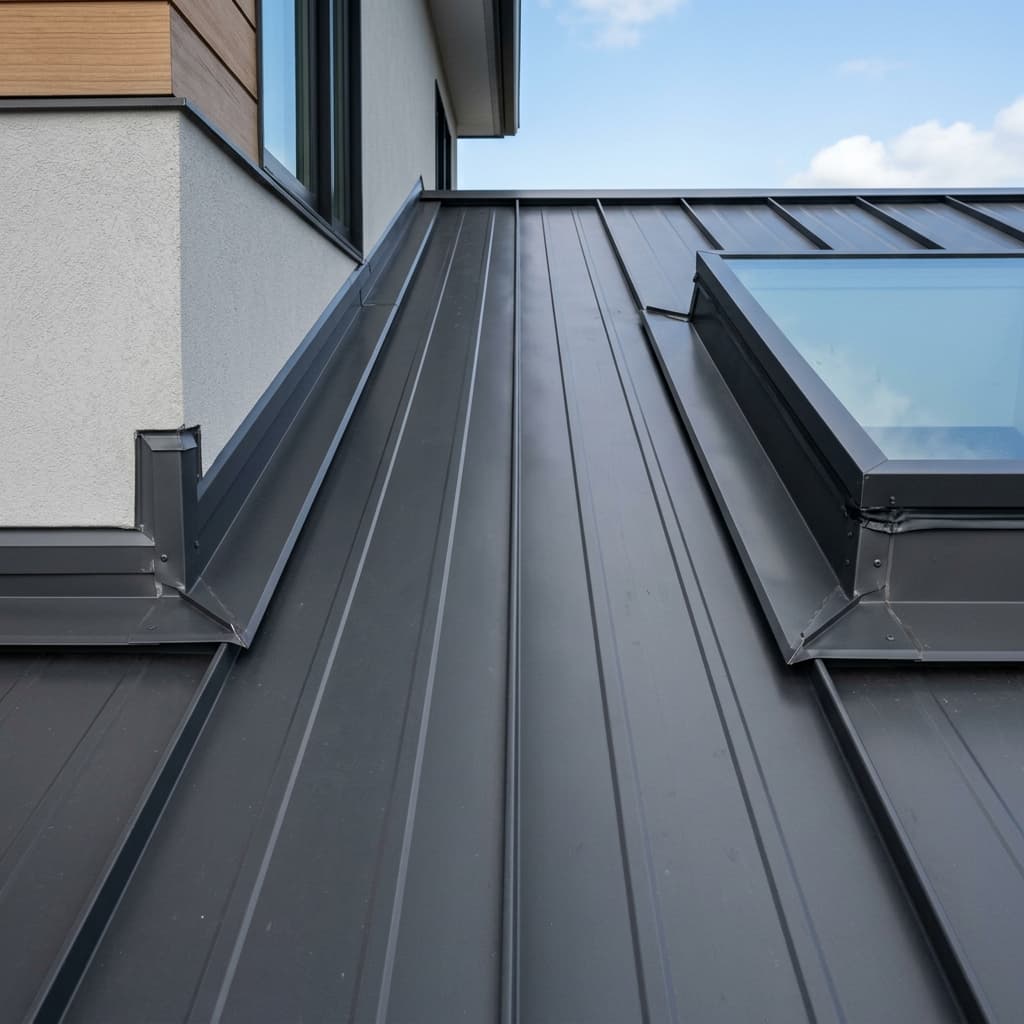
8. Ask About Flashing and Roof Penetrations
Most roof leaks occur not in the field of the roof, but at penetrations like chimneys, skylights, and vent pipes. Metal roofing requires highly specific, often custom-fabricated flashing details. Ask the contractor exactly how they handle these critical areas.
9. Ask How They Handle Ventilation and Moisture
Proper attic ventilation is crucial for any roof, but especially for metal to prevent underside condensation. The ENERGY STAR program highlights how properly ventilated and insulated roofing systems protect your home's thermal envelope. Ensure the contractor evaluates your intake and exhaust ventilation before installing the new roof.
10. Verify That They Understand New Jersey Roofing Requirements
New Jersey experiences coastal winds, heavy snow loads, and significant temperature fluctuations. A local contractor must understand the state's building code requirements. For example, they must know when and where ice and water shield is required at the eaves, and how to properly obtain permits through the New Jersey Department of Community Affairs or your local municipal building department.
11. Ask About Workmanship and Manufacturer Warranties
Understand the difference between the two warranties. The manufacturer's warranty covers defects in the metal panels or the paint finish (often 30 to 50 years). The contractor's workmanship warranty covers installation errors. A reputable contractor will provide a written workmanship warranty clearly detailing its duration and terms.
12. Check the Contractor's Business History
Verify how long the company has operated under its current name in New Jersey. Some unreliable contractors close shop when faced with complaints and reopen under a new name to avoid honoring warranties. Consistency in the community is a strong indicator of reliability.
13. Be Careful With Storm-Chasing Contractors
After a major severe weather event, out-of-state "storm chasers" often flood neighborhoods offering quick fixes. While they may offer lower prices, they typically disappear after the work is done, leaving you with no recourse if the roof fails. As noted by agencies like FEMA, establishing a relationship with a reliable, local contractor ensures you have someone accountable long after the storm passes.
14. Compare Contractors Using the Same Checklist
When you gather multiple estimates, ensure you are comparing apples to apples. If one contractor is bidding an exposed-fastener system with minimal underlayment, and another is bidding a standing seam system with high-temp synthetic underlayment and custom flashing, the prices will be vastly different. Compare the details, not just the final number.
15. Warning Signs to Watch For
- High-pressure sales tactics demanding you sign a contract immediately.
- Refusal to provide physical proof of insurance or references.
- Requests for a massive cash deposit upfront before any materials are delivered.
- Vague, unwritten promises regarding warranties or scope of work.
- Lack of a physical business address or verifiable local presence.
16. Questions to Ask During Your Roofing Consultation
- How will you protect my landscaping and property during the tear-off?
- What happens if you discover damaged decking once the old roof is removed?
- Will there be a dedicated project manager on site?
- How do you handle daily clean-up and final magnetic sweeps for debris?
17. Metal Roofing Experience Matters More Than a Generic "Years in Business" Number
To reiterate, general roofing knowledge is helpful, but metal is a specialized trade. The metal panels expand and contract with temperature changes, requiring specific fastening techniques to prevent buckling. Choosing a contractor based purely on their overall tenure without verifying their metal-specific expertise is a common mistake.
18. What a Qualified Metal Roofing Contractor Should Be Able to Show You
By the end of your consultation, you should clearly see their HIC registration, insurance certificates, a detailed material breakdown, a clear workmanship warranty, and examples of past local work. The National Roofing Contractors Association strongly recommends homeowners conduct this level of due diligence to protect their investment.
Frequently Asked Questions About Choosing a Metal Roofing Contractor
How many years of experience should a metal roofing contractor have?
While overall roofing experience is good, a contractor should ideally have at least 3-5 years of specific experience installing the exact type of metal roofing system (e.g., standing seam or metal shingles) you are purchasing.
Should a metal roofing contractor be certified by the manufacturer?
Yes, ideally. Manufacturer certification or factory training ensures the contractor understands the specific installation requirements for that brand, which is often required to keep the material warranty valid.
How do I verify that a roofing contractor is insured?
Ask for a current Certificate of Insurance (COI) that shows both general liability and workers' compensation coverage. You can call the insurance provider listed on the certificate to verify the policy is active.
Should I get multiple estimates for a metal roof?
Yes, it is recommended to get at least three estimates. This allows you to compare the scope of work, materials proposed, warranties, and contractor credentials, rather than just looking at the bottom-line price.
What should be included in a metal roofing contract?
A contract should include specific material brands and types, scope of work (including tear-off and disposal), flashing details, ventilation plans, start and completion dates, payment terms, and warranty information.
Is a cheap metal roofing estimate a warning sign?
Yes, significantly lower estimates often indicate that a contractor is using inferior materials, omitting crucial details like proper underlayment or custom flashing, or lacks proper insurance and manufacturer training.
Bottom Line: How to Vet a Metal Roofing Contractor
Your new metal roof is a major investment designed to last for decades, but it will only perform as well as the contractor who installs it. By demanding proof of experience, insurance, licensing, and a highly detailed written estimate, you protect your home and your budget.
If you are looking for experienced metal roofing services in New Jersey, ensure you partner with a team that meets all these criteria. Contact Apex Roofing Solutions NJ today for a professional consultation and a transparent, detailed evaluation of your home's roofing needs.