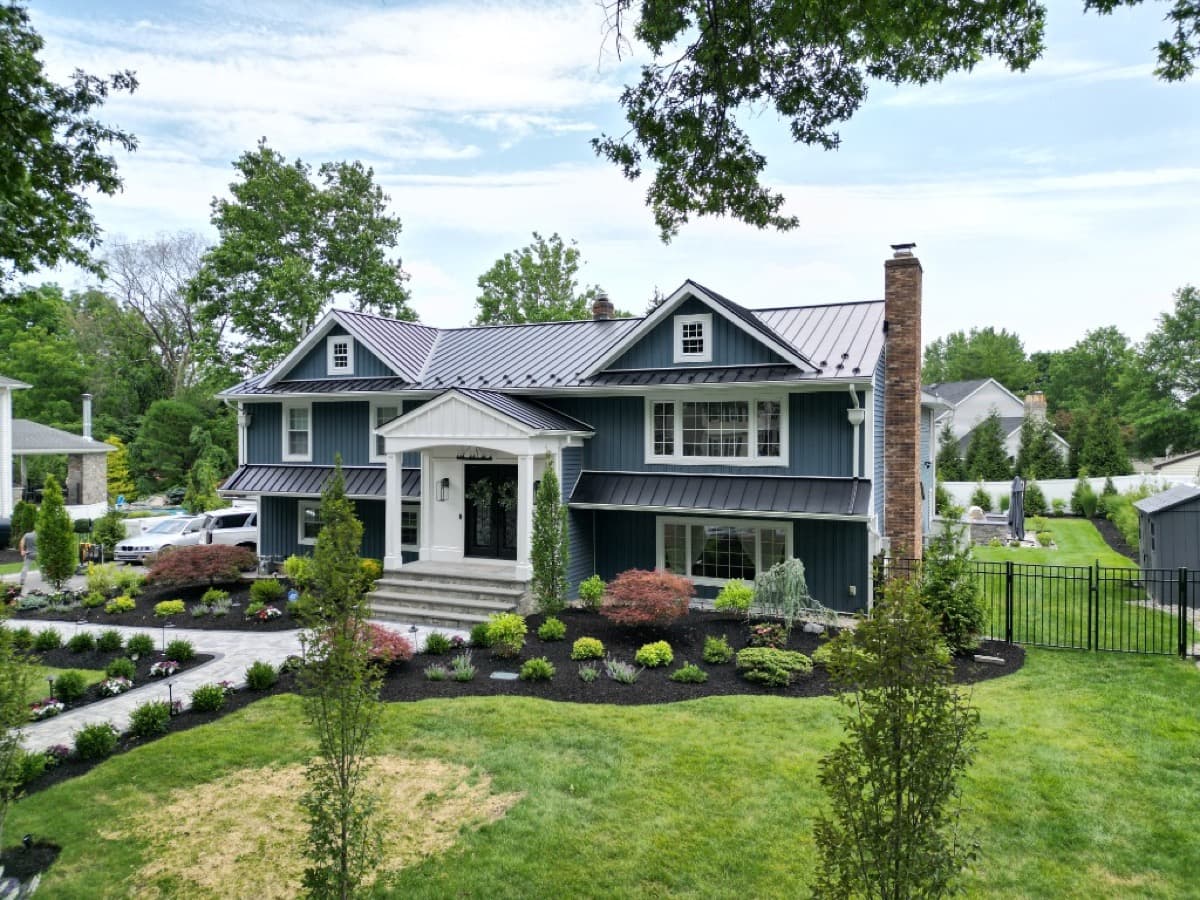
If you've driven around New Jersey lately, you've probably noticed more metal roofs popping up — and not just on barns or warehouses. Homeowners from the Shore to the suburbs of North Jersey are increasingly asking their roofers about metal instead of defaulting to asphalt shingles the way their parents did.
It makes sense. A roof in this state has to earn its keep. Between humid summers, salty coastal air, ice-heavy winters, and the occasional nor'easter that seems to come out of nowhere, New Jersey isn't exactly gentle on a home's exterior. So when a roofing material claims it can outlast shingles by decades while shrugging off wind, snow, and hail, it's worth a closer look.
Here's an honest breakdown of what metal roofing actually offers New Jersey homeowners — and where it falls short.
See What Makes Metal Roofing Different

Click to watch video
It's Built to Take a Beating (In a Good Way)
Asphalt shingles do fine in mild weather, but they start showing their age fast once storms roll through repeatedly. Cracking, curling, granule loss — it's a slow decline that speeds up with every bad season.
Metal doesn't wear down the same way. A well-installed metal roof can handle:
- ✓ Wind gusts well above 100 mph in many engineered systems.
- ✓ Heavy snow loads, since snow tends to slide off rather than pile up and create ice dams.
- ✓ Hail impacts that would otherwise crack or dent a standard shingle roof.
- ✓ Open flame, since metal won't ignite — most systems carry a Class A fire rating.
For homes near the coast dealing with salt exposure, or anywhere in New Jersey that gets hit hard by winter storms, that kind of resilience isn't just a nice-to-have. It's the difference between a roof you're constantly patching and one you think about once a year.
How Long Does a Metal Roof Last?
Here's the number that tends to catch people's attention: asphalt shingles typically need replacing every 20 to 30 years. Metal roofs, installed correctly, often last 40 to 70 years. Copper and zinc systems can outlive the person who installed them.
Practically speaking, that means a homeowner who puts a metal roof on today may genuinely never deal with another full roof replacement. If you're planning to stay in your New Jersey home for the long haul — or even if you're not, since future buyers notice this stuff — that's a meaningful trade-off against the higher upfront cost.
Worth noting: That lifespan isn't automatic. It depends heavily on the material chosen, the coating, and maybe most importantly — how well the roof was installed in the first place. A cheap installation on a premium material still gets you a mediocre roof.
Does a Metal Roof Save Money on Energy?
New Jersey summers get sticky, and cooling costs climb right along with the humidity. Metal roofing reflects a good chunk of solar heat instead of soaking it in the way dark asphalt shingles do, which can noticeably ease the load on your air conditioning during peak months.
The effect is strongest with lighter or specially coated finishes, paired with decent attic insulation and ventilation. In winter, that same system helps hold heat in, so you're evening things out year-round.
It's also worth mentioning for anyone eyeing solar panels: metal roofing (especially standing seam) is one of the easiest, most durable surfaces to mount them on. With New Jersey's solar incentives still fairly generous, that combination is becoming much more common.
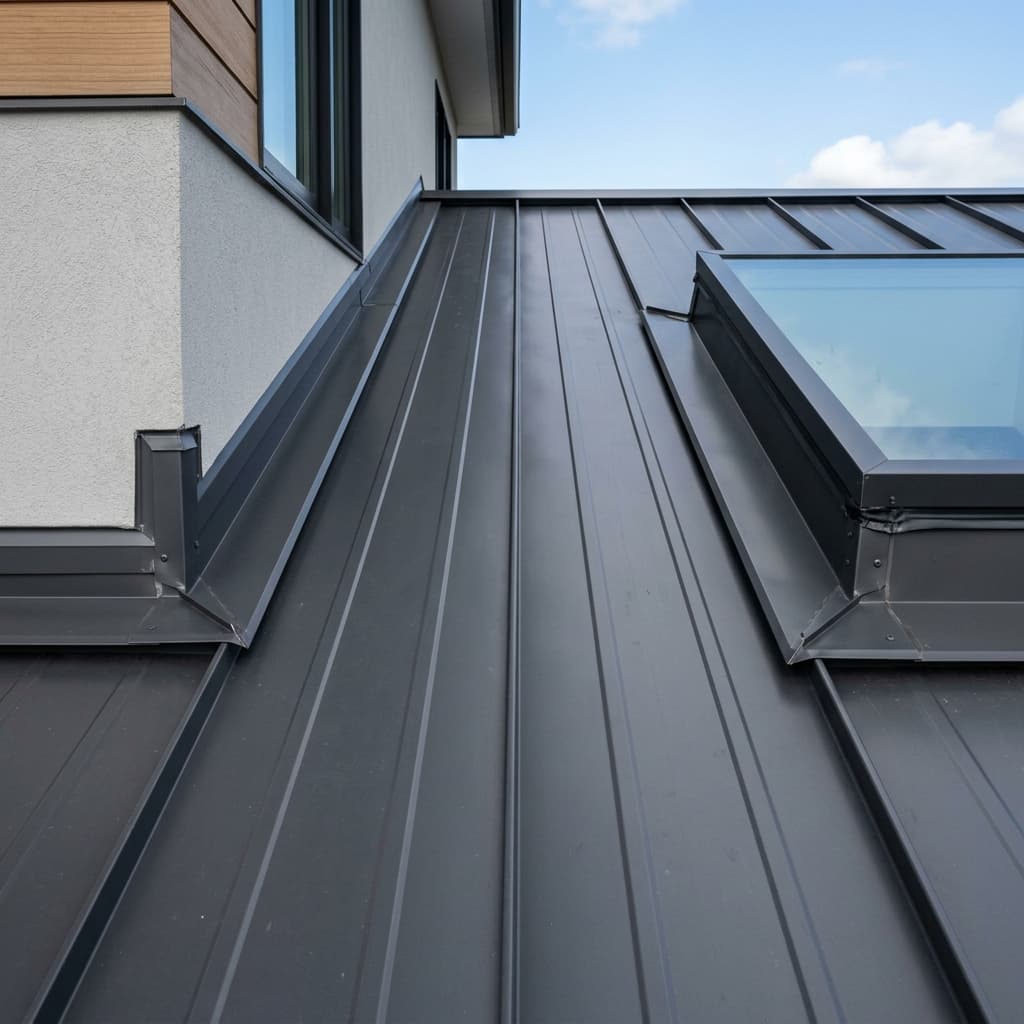
Standing seam panels provide excellent weather resistance and a clean, modern aesthetic.
Is Metal Roofing Low Maintenance?
Shaded, damp yards are everywhere in suburban New Jersey, and that's exactly the environment where moss and algae thrive on asphalt shingles. Metal roofing resists that kind of growth far better, which means less scrubbing and fewer surprise repair calls.
That doesn't mean "zero maintenance," though — that's a myth worth clearing up. You'll still want to:
- Clear off leaves and debris after fall
- Trim back branches that hang over the roofline
- Check flashing and fasteners periodically, especially after major storms
- Watch for loosened seams from years of thermal expansion and contraction
Think of it as low-effort rather than no-effort. Most homeowners find that a quick professional roof inspection once or twice a year is plenty.
A More Sustainable Option, If That Matters to You
Metal roofing tends to score well on the environmental side. Most products contain a substantial amount of recycled content, and metal itself is fully recyclable at the end of its life — unlike asphalt shingles, which almost always end up in a landfill.
Possible Insurance Savings
Because metal roofs resist fire, wind, and impact damage so well, a lot of insurers offer discounts to homeowners who install one. That savings varies quite a bit by company and region, so it's genuinely worth a phone call to your provider before or after installation to see what applies to you.
It Doesn't Have to Look Industrial
A lot of people still picture a shiny, corrugated barn roof when they hear "metal roofing," but that image is pretty outdated at this point. Standing seam panels, metal shingles designed to mimic slate or cedar shakes, and a wide range of colors mean metal roofing can suit almost any style — colonial, Cape Cod, farmhouse, contemporary builds along the Shore, you name it.
Now, the Honest Downsides
Metal roofing isn't the right call for every home, and it's worth being upfront about the trade-offs:
- Cost: The upfront price is higher than asphalt — sometimes noticeably so. The long-term savings can offset that over decades, but the initial bill is real.
- Noise: Without proper insulation and underlayment, rain and hail can sound louder on metal than on shingles. This is very fixable with the right materials during installation.
- Thermal Movement: Metal expands and contracts with temperature swings. Standing seam systems, in particular, are built to flex without compromising the roof, but fasteners can loosen over time if not designed correctly.
- Denting: Large hail or a falling branch can dent softer metals like aluminum or copper. Steel tends to hold up better.
- Installation Complexity: Metal roofing isn't a job for a general contractor dabbling outside their specialty. Seams, flashing, and thermal allowances all need to be handled correctly, or you'll run into leaks regardless of how good the material itself is.
Metal vs. Shingles: The Quick Comparison
| Feature | Metal Roofing | Asphalt Shingles |
|---|---|---|
| Typical lifespan | 40-70 years | 15-20 years |
| Upfront cost | Higher | Lower |
| Maintenance | Low | Low, but more frequent repairs over time |
| Weather performance | Excellent when installed correctly | Varies by shingle quality |
| Style options | Growing rapidly - many colors and profiles | Wide variety, well established |
| Installation | Requires specialized contractors | Widely available |
| Replacement frequency | Rare | Every 15-20 years |
So, Is It Worth It?
That depends less on the material itself and more on your specific situation. If you're planning to stay in your New Jersey home for a long time, want to cut down on maintenance headaches, and don't mind a bigger check upfront in exchange for decades of reliability, metal roofing tends to make a lot of sense.
If you're working with a tighter budget, or you're not planning to stay in the home long enough to see the long-term payoff, asphalt shingles might still be the more practical choice.
Either way, the real deciding factor isn't the material — it's the installation. A mediocre installer can make a premium metal roof underperform, while a skilled, experienced contractor can help even a mid-range system perform beautifully for decades. Before committing to a material, get a roof evaluation from a contractor who's genuinely experienced with metal systems, not someone treating it as a side offering.
Considering Metal Roofing for Your New Jersey Home?
If you're considering a metal roof or another roofing material for your New Jersey home, a professional evaluation can help you understand the condition of your existing roof and which options may fit your property, budget, and long-term plans.
Request a Roof EvaluationCurious About the Cost?
Use our interactive roofing calculator to get an instant estimate for your New Jersey home, based on your specific roof size and material preferences.
Try the Roofing Calculator*This article is intended for general informational purposes and isn't a substitute for professional roofing, insurance, or financial advice. Every home and roofing system is different, so a professional evaluation can help you determine whether metal roofing is a practical fit for your New Jersey home. For insurance-related questions, check with your insurance provider about coverage and available options.*