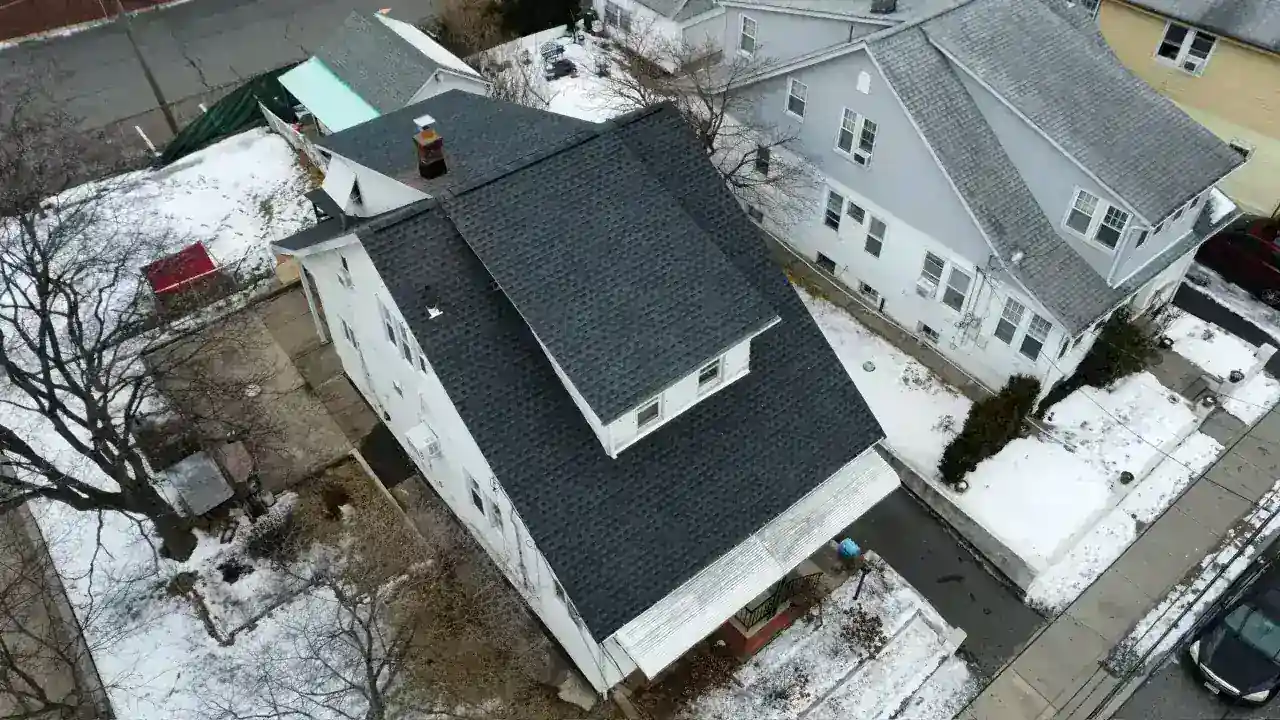
A residential roofing system does more than keep rain out. Roof condition affects water management, attic conditions, exterior protection, and the home's long-term maintenance needs.
The Property Protection Chain
A roofing system is an interconnected flow. Each component must function properly to ensure the next stage is not overwhelmed.
ROOF
Sheds initial water.
FLASHING
Seals penetrations.
WATER MGT
Channels runoff safely.
GUTTERS
Captures the flow.
ATTIC
Breathes & ventilates.
HOME
Remains dry & stable.
PROPERTY
Protected from erosion.
Roofing in Colts Neck Township
Situated in Monmouth County, New Jersey, Colts Neck Township properties experience the full spectrum of Northeast weather. From heavy snow loads and ice damming in the winter to intense rain, high humidity, and driving winds during summer storms, roofs here must be engineered to manage significant, year-round environmental stress.
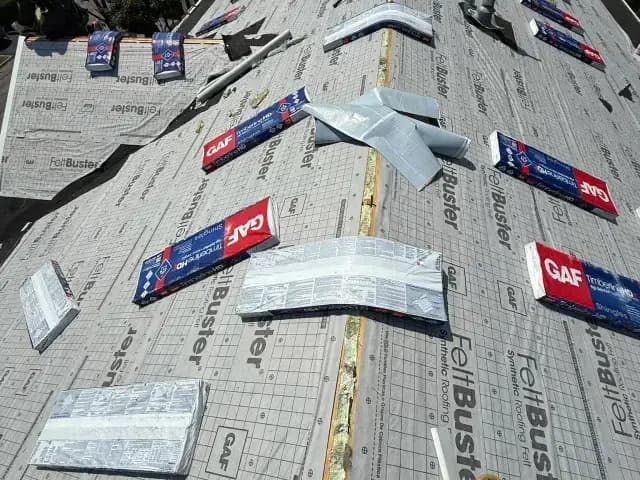
The Roof Is Only One Part of the Water Path
When water strikes your home, it begins a journey. A visible issue in one location can often be traced to a contributing condition higher up the water path.
- Roof Slopes & Valleys: Water concentrates in valleys where different slopes meet, generating high-velocity runoff.
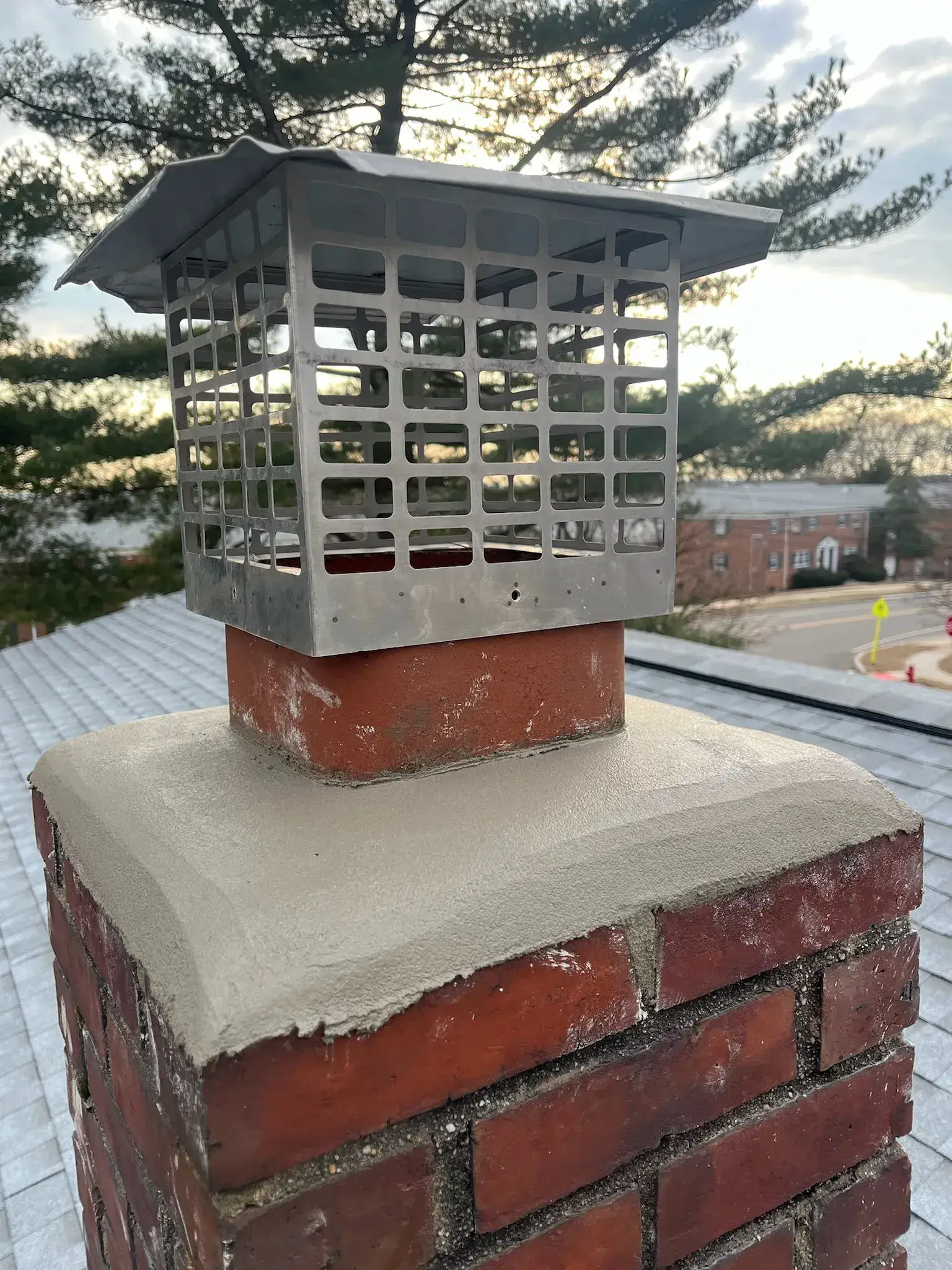
- Flashing & Penetrations: Chimneys, vents, and skylights interrupt the water path and rely entirely on flashing to prevent intrusion.
- Edges, Gutters, and Downspouts: Water must cleanly exit the roof edge into gutters, traveling through downspouts to discharge safely away from the foundation.
What a Roof Inspection Should Look At
A professional evaluation assesses the entire property protection system, not just the shingles.
ROOF SURFACE
Visible damage, deterioration, missing or displaced materials.
FLASHING
Areas around roof intersections, chimneys, and penetrations.
DRAINAGE
Gutters, downspouts, valleys, and water-management paths.
ROOF EDGES
Fascia, drip edges, and perimeter conditions where water exits.
ATTIC / INTERIOR
Where accessible, signs of moisture, staining, or ventilation concerns.
OVERALL CONDITION
Determining whether an isolated repair or broader work is appropriate.
Roof Condition Snapshot
Use this visual checklist to document your observations before calling a professional.
Do not climb onto the roof to perform your own inspection.
What I Notice
- Visible missing/damaged material
- Damaged flashing
- Gutter problems
- Recurring leaks
- Ceiling stains
- Attic moisture indicators
- Debris after severe weather
- Sagging or roofline changes
When I Noticed It
- Recently
- After rain
- After wind
- After snow/ice
- Gradually
- Not sure
What Has Happened Before
- Previous repair
- Previous leak
- Previous storm issue
- No known history
- Unknown
What to Discuss With a Roofer
- Repair
- Maintenance
- Inspection
- Replacement planning
- Storm-related damage
Repair, Maintain, or Replace?
Repair
May be appropriate when the problem is limited (such as a wind-lifted shingle or cracked pipe boot) and the surrounding roof remains serviceable. A targeted repair extends the life of a healthy system.
Maintain / Monitor
May make sense when the roof does not currently require major work but has conditions (like accumulating debris or aging sealants) that should be watched or maintained proactively to prevent future leaks.
Replace
May need to be considered when age, widespread deterioration, recurring problems, or overall system condition make continued repairs less appropriate. The appropriate path always depends on actual roof condition, evaluated by a professional.
What Can Shorten A Roof's Service Life?
While modern roofing materials are highly durable, their actual lifespan varies depending on several environmental and structural factors:
After Severe Weather, Look For Changes
OBSERVE
Look for visible exterior changes, missing materials, or damaged flashing from the ground safely.
DOCUMENT
Note gutter changes, interior water signs, and attic moisture indicators. Do not climb onto the roof.
PROTECT
If you have an active leak, move valuables and place buckets to mitigate interior damage.
INSPECT
Contact a professional to safely evaluate the roof. Damage does not automatically mean replacement.
What a Roofing Project Actually Depends On
Every home is different. The cost of a roofing project is not a guessing game; it is determined by the specific scope of work required to protect your property.
- • Roof Size & Pitch: The overall square footage and steepness.
- • Roof Complexity: The number of valleys, dormers, and edges.
- • Material: The choice between architectural asphalt or metal.
- • Removal: Tearing off one or multiple layers of old roofing.
- • Decking Condition: Replacing rotted wood underneath the shingles.
- • Flashing & Ventilation: Required upgrades to the system's infrastructure.
- • Accessibility: How easily crews can safely access the property.
Material Considerations
We install materials based on homeowner priorities, budget, and architectural requirements.
Architectural Asphalt Shingles
The most popular choice. Offers excellent cost-to-durability ratio, beautiful dimensionality, and reliable wind resistance when properly installed.
Standing Seam Metal Roofing
A premium option. Exceptional longevity, extreme weather resistance, low maintenance, and highly effective at shedding snow and water.
Roofing Services
Frequently Asked Questions
Request a Professional Inspection
Provide your details below, and our team will contact you to evaluate your roof and property protection system.
Quick Quote