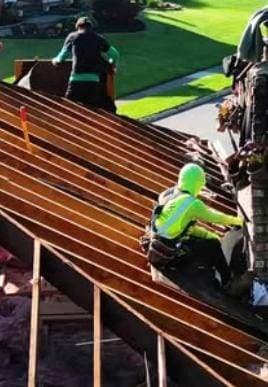
What Does Your Roof Need to Last?
A roof does not necessarily need replacement simply because it has reached a certain age. Its condition, maintenance history, weather exposure, flashing, and drainage all matter. Apex Roofing Solutions NJ helps Chester homeowners understand their roof before deciding what to do.
How Long Can Your Roof Keep Doing Its Job?
Rather than viewing your roof as a static object, view it as a system with a lifecycle. Homeowners can plan effectively by understanding the progression.
Age
How old is the roof, approximately?
Evidence
What is the roof actually showing you?
Maintenance
What can be maintained or corrected?
Intervention
When does the roof need repair or replacement?
Longevity
How can you protect the next several years?
Does an older roof always need to be replaced?
No. Age is an important factor, but age alone does not establish the condition of a roof. Evaluation considers material, installation quality, weather exposure, ventilation, and visible deterioration.
A newer roof with poor drainage or severe storm damage may require intervention much sooner than a well-maintained older roof. A professional evaluation may look closely at:
- ✓ Remaining material serviceability
- ✓ Previous repairs
- ✓ Decking condition
- ✓ Active or previous leaks
- ✓ Quality of original installation
- ✓ Flashing integrity
A Roof Ages in More Than One Way
Roofing materials experience different forms of aging simultaneously. Understanding these processes helps homeowners anticipate needs.
Surface Wear
Shingles gradually lose material and weather resistance. Over time, granule loss accelerates, exposing the asphalt layer to direct UV rays.
Water Management
Flashing, valleys, gutters, and drainage become increasingly important. Even if shingles are intact, failing flashing can allow significant water intrusion.
Weather Exposure
Wind, rain, snow, ice, heat, and seasonal changes affect roofing components, expanding and contracting sealants and stressing materials.
Repairs
Repeated repairs can become part of the roof's history and may indicate underlying areas requiring much closer evaluation.
System Aging
The roofing system includes more than the visible shingles. Decking can warp, underlayment can degrade, and ventilation can become blocked over the years.
Chester's Seasonal Roof Check
Spring
- Look for winter damage
- Check for displaced shingles
- Observe flashing concerns
- Check for gutter problems
- Monitor for interior staining
Summer
- Pay attention to heat exposure
- Ensure proper ventilation
- Look for aging shingles
- Note granule accumulation in downspouts
- Check attic conditions where safely observable
Fall
- Clear gutters
- Ensure proper drainage
- Remove visible debris from valleys
- Check flashing
- Inspect roof penetrations
Winter
- Observe safely from the ground
- Check for visible damage after storms
- Note fallen debris
- Watch for ice-related concerns
- Monitor for interior leaks
Note: Homeowners should not climb onto the roof. Always observe safely from the ground.
What Shortens Roof Life?
No single factor automatically causes premature failure, but a combination of issues can significantly reduce a roof's longevity. The relationship between these components is critical.
Water Management Failures
Poor drainage, neglected gutters, and damaged flashing force water into places it does not belong.
Ventilation Issues
Inadequate ventilation traps extreme heat and moisture, prematurely baking shingles and deteriorating decking.
External Forces
Severe storm damage, physical impact from branches, and repeated, unresolved water intrusion.
History
Installation problems from the very beginning, deferred maintenance, and incompatible previous repairs.
Your Roof Is a System, Not a Shingle
A homeowner looking only at the visible shingles may not see the entire condition of the roofing system. True protection requires every layer to perform.
- Shingles
- Underlayment
- Roof Decking
- Flashing
- Valleys
- Drip Edge
- Vents
- Penetrations
- Chimney Flashing
- Skylights
- Gutters
- Ventilation
The Roof Intervention Ladder
These categories help you understand your options. An inspection is needed to determine the appropriate course of action.
When a Small Problem Isn't Small
Seemingly minor roofing symptoms deserve context. The size of the symptom does not necessarily reveal the extent or source of the underlying issue.
- » A small ceiling stain could indicate water traveling along rafters for months.
- » One missing shingle breaks the protective seal of the surrounding shingles.
- » Recurring gutter granules indicate accelerating material fatigue.
- » Loose flashing can direct gallons of water behind siding during a storm.
- » Repeated patching often masks a systemic failure requiring a larger solution.
What Does a Roof Inspection Actually Tell You?
A professional inspection provides a highly scannable, factual assessment organized into specific categories:
Condition
What is the observable condition of the roofing materials?
Water Management
Are drainage and flashing functioning as intended?
Damage
Are there signs of wind, weather, or impact damage?
Repairs
Are previous repairs visible and are additional concerns apparent?
System Components
What is the condition of important underlying components?
Planning
Does the evidence support repair, maintenance, or replacement?
If Replacement Is on the Horizon, Plan Before It Becomes an Emergency
Replacement planning can and should be different from emergency repair. Giving yourself time allows you to understand the project comprehensively.
What Should Be in a Roofing Estimate?
Homeowners should be able to clearly understand what they are paying for. A transparent estimate typically outlines:
- ■Scope & Materials: The exact work being performed and the products used.
- ■Underlayment & Flashing: How the vulnerable layers will be protected.
- ■Decking: The treatment protocols and costs for replacing rotted wood.
- ■Cleanup: Assurances regarding debris removal and property protection.
- ■Terms: Warranty information, exclusions, and change-order conditions.
Storm Damage Changes the Timeline
Wind, falling debris, and heavy rain can abruptly accelerate a roof's timeline. After severe weather, take these practical steps:
Build Your Roof Record
Maintain a simple record of your roof over the years. This becomes incredibly useful when a leak appears, a storm occurs, or you prepare to sell the property.
Homeowner Roof Record
Residential Roofing Services
Serving Chester and Morris County
Apex Roofing Solutions NJ provides expert residential roofing services to homeowners throughout Chester Township, Chester Borough, and across the broader Morris County, New Jersey area.
View Morris County Service Area →Request a Roof Evaluation
Take the next step in your Roof Life Path. Get a clear understanding of your roof's condition to plan effectively.
Tell us about your roof and receive a free replacement estimate from our roofing team.
Chester Roofing FAQs
Does an old roof automatically need replacement?
No. Age is an important factor, but age alone does not establish the condition of a roof. Evaluation considers material, installation quality, weather exposure, ventilation, and visible deterioration.
How can a homeowner extend roof life?
Homeowners can extend roof life by maintaining clear gutters and drainage, addressing minor flashing issues promptly, ensuring proper attic ventilation, and keeping a consistent record of any repairs.
What should a roof inspection evaluate?
A professional inspection should evaluate the observable condition of the roofing materials, the function of drainage and flashing, signs of weather damage, previous repairs, and the integrity of underlayment and decking where visible.
What shortens the life of a roof?
Roof life can be shortened by poor drainage, neglected gutters, damaged flashing, inadequate ventilation, storm damage, poor initial installation, and deferred maintenance.
What should homeowners document after a storm?
After severe weather, safely document the date of the event, photograph any visible damage from the ground, and note any new interior water intrusion.
What should be included in a roofing estimate?
A comprehensive estimate should detail the proposed material, scope of removal, underlayment, flashing handling, ventilation improvements, decking treatment protocols, cleanup, and warranty information.