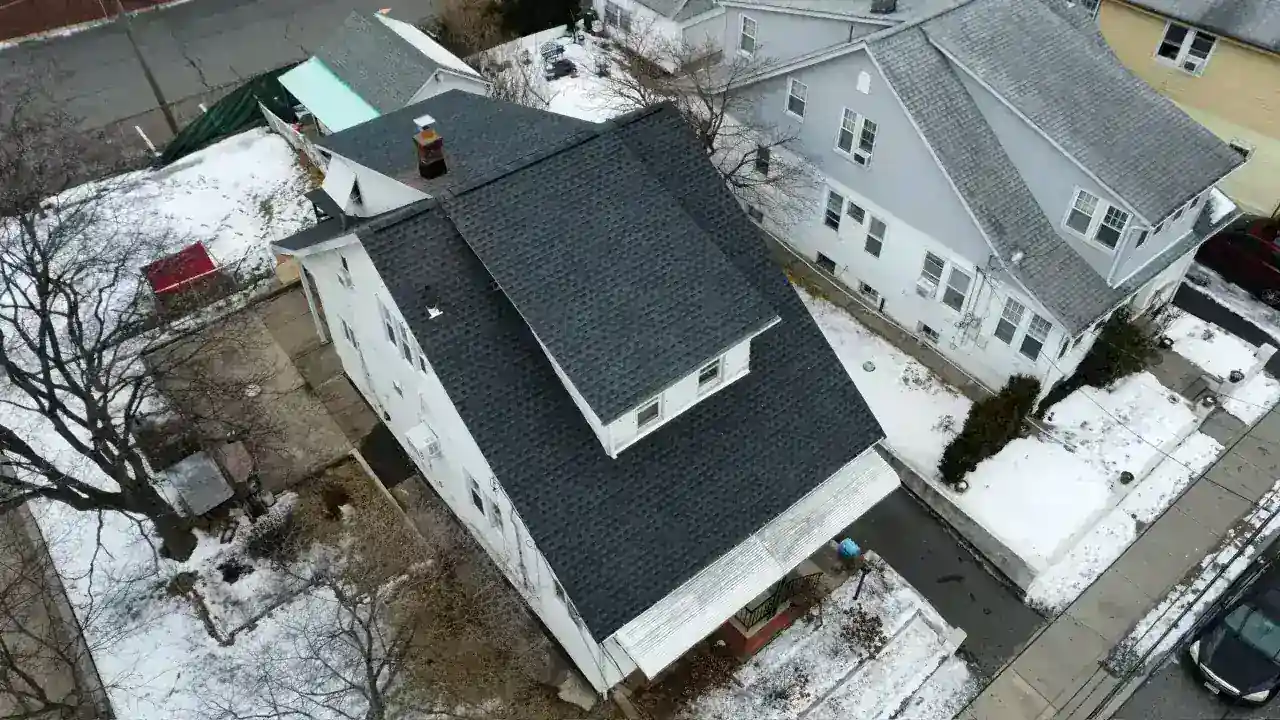
A residential roof has to shed water, withstand coastal weather exposure, manage drainage, and protect your home. Understanding the condition of the whole system matters when deciding whether to repair or replace it.
Free Roofing Assessment
What Does Your Roof Need?
Answer a few quick questions and we'll connect you with our Bradley Beach roofing specialists.
What Your Roof Has to Handle
Coastal Monmouth County environments test roofing systems in multiple ways. A high-performance roof is engineered to manage these five constant pressures.
WATER
Rain needs to move off the roof without finding a path into the home.
WIND
Roofing materials and components need to remain properly secured.
DRAINAGE
Gutters, valleys, slopes, and edges move water away.
TRANSITIONS
Flashing and roof intersections require careful water management.
TIME
Age, maintenance, repairs, and weather exposure all affect condition.
Where Does the Water Go?
A roof is not just a shield; it is a complex drainage system. Understanding water movement helps identify why proper installation and maintenance are essential for home protection.
Water Lands
Rain and snow strike the roofing material, which provides the primary waterproof barrier.
Roof Sheds
The pitch (slope) of the roof relies on gravity to keep water moving downward over the shingles.
Drainage Collects
Valleys and transitions channel water into concentrated streams toward the roof edges.
Gutters Carry
Properly sloped gutters capture the shedding water and prevent it from pouring down the siding.
Downspouts Discharge
Water is safely directed away from the foundation to prevent structural pooling and basement intrusion.
Look Up Before You Look Up A Contractor
Homeowners can safely observe key indicators before contacting a roofer. Document your observations, but never climb onto the roof to self-diagnose.
The Bradley Beach Roof Weather Log
Use this simple checklist to establish a baseline and document changes after severe weather. Knowing what changed and when helps roofing professionals diagnose issues faster.
Before (Baseline)
- Approximate roof age
- Known previous repairs
- Date of last inspection
After Heavy Weather
- New exterior damage
- Gutter/downspout changes
- New ceiling stains or leaks
Observe Pattern
- One-time event
- Recurring issue
- Worsening issue
Next Step
- Monitor & Document
- Schedule Professional Inspection
Does the Roof Need a Repair, or Is It Time to Plan a Replacement?
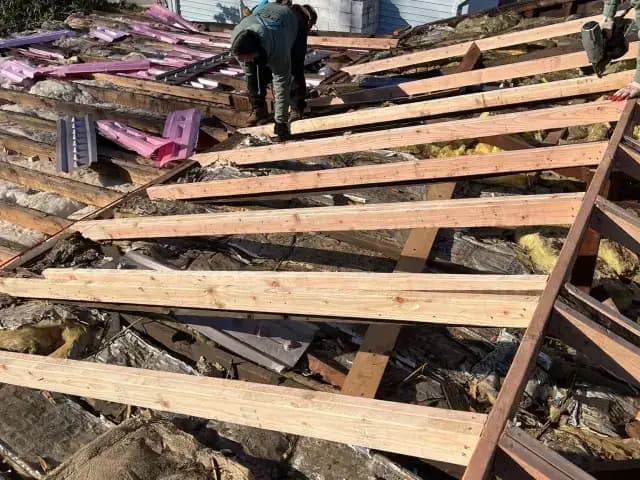
We do not automatically recommend replacement. A localized issue, such as a damaged piece of flashing or a few wind-lifted shingles, can often be professionally repaired if the surrounding materials remain pliable.
However, replacement becomes necessary when considering the overall roof-system condition. Factors include:
- Age and brittleness of existing materials
- Extent of widespread storm damage
- History of recurring problems or temporary fixes
- Condition of the underlying structural decking
- Compromised ventilation systems
After a Storm, Document First
1. OBSERVE
Look from the ground safely. Do not climb onto the roof.
2. PHOTOGRAPH
Photograph visible changes to shingles, gutters, and siding.
3. DOCUMENT
Check interior areas safely and note when the issue appeared.
4. INSPECT
Schedule a professional inspection if damage is suspected.
The Parts of a Roof Work Together
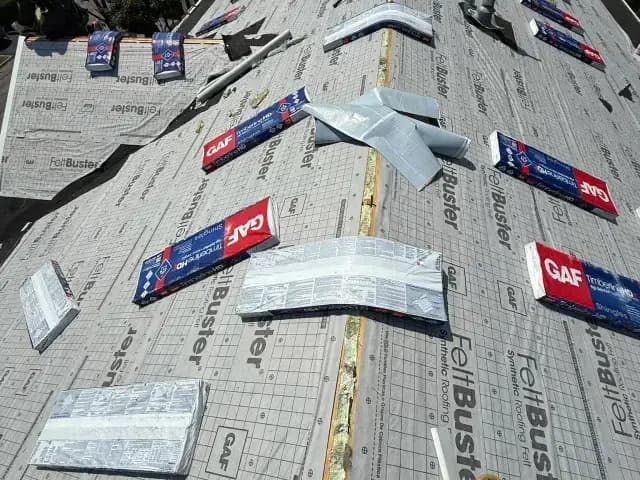
A roof is a complete weatherproofing assembly. The shingles provide the outer shield, but the underlayment serves as the secondary barrier.
Flashing protects vulnerable intersections, while valleys and edges direct water into the gutters.
Simultaneously, attic ventilation (intake and exhaust) regulates temperature and moisture, protecting the structural decking from the inside out. When one component fails, the entire system is at risk.
What Can Change the Cost of Roofing Work?
Actual pricing requires evaluating the property and project scope. Several variables affect the final investment:
The Roofing Process
NOTICE
Identify what changed from your baseline observations.
RECORD
Document what you can safely observe from the ground.
INSPECT
We comprehensively evaluate the roof and related components.
EXPLAIN
We help you understand the findings and condition.
PLAN
Determine the appropriate scope—repair or replacement.
COMPLETE
Our licensed crews perform the agreed professional work.
MAINTAIN
Continue monitoring the roof to protect your investment.
Residential Roofing Services
Frequently Asked Questions
Coastal Protection Matters.
Properly managing water and wind starts with professional assessment. From Monmouth County to the greater New Jersey area, Apex Roofing Solutions is your trusted partner.
Free Roofing Assessment
What Does Your Roof Need?
Answer a few quick questions and we'll connect you with our Bradley Beach roofing specialists.