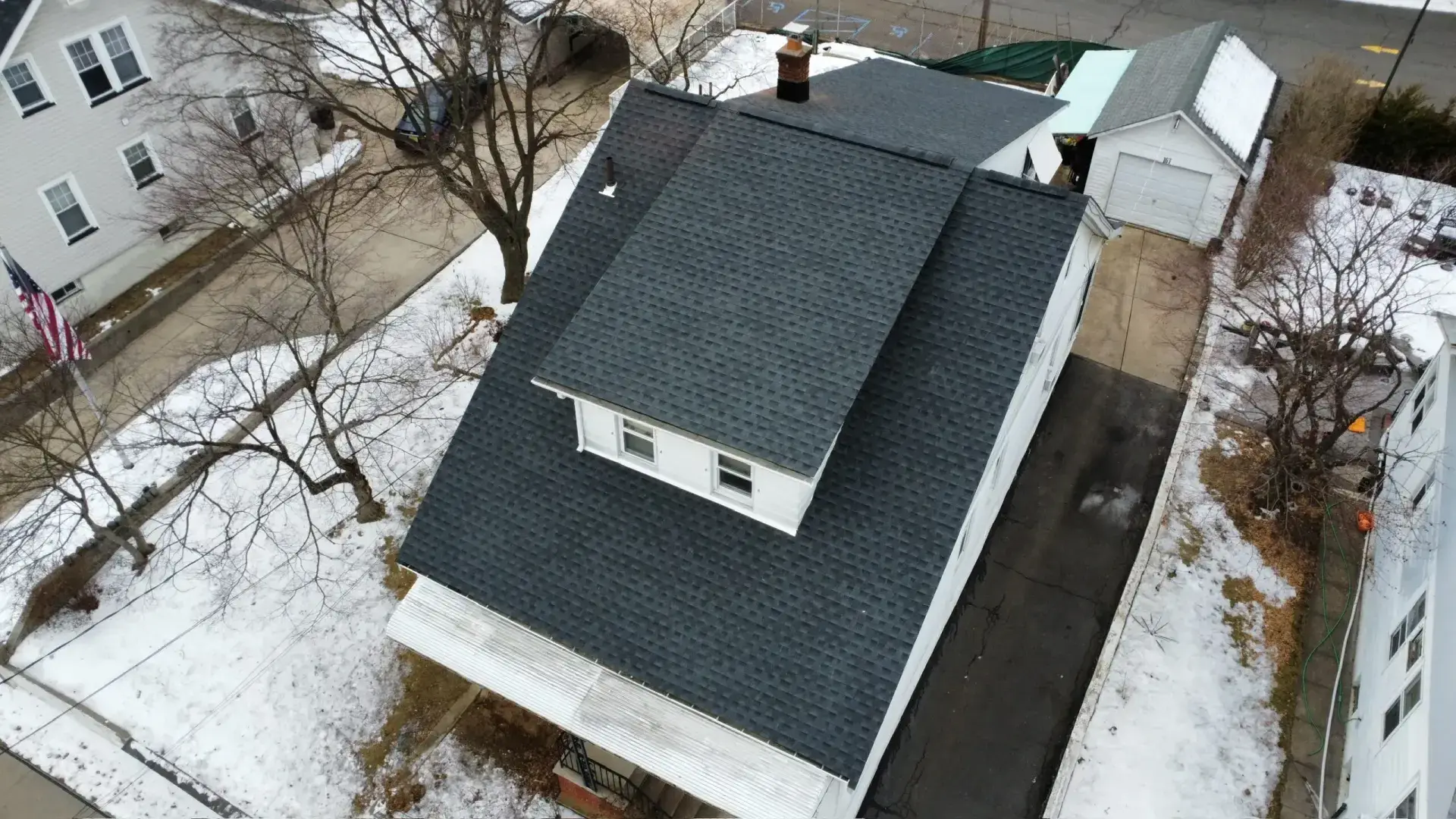
Your Roof Has to Manage More Than Rain.
A high-performing roof does more than cover your home. It sheds water, manages transitions, protects vulnerable openings, and withstands changing coastal weather conditions.
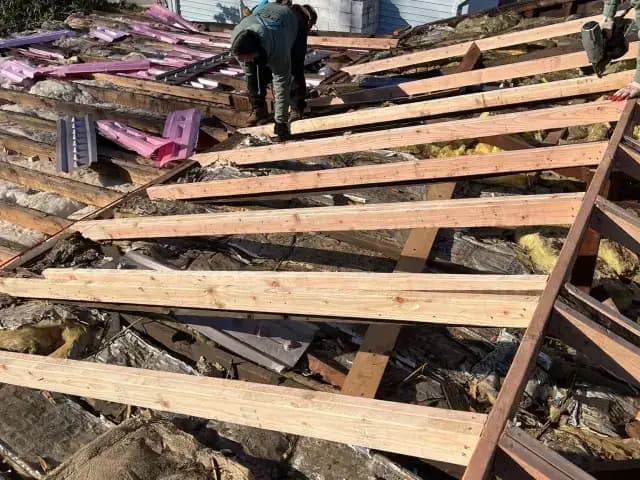
System Performance
Five Jobs Your Roof Has to Do
A residential roofing system is an integrated network of materials designed to protect your home from exposure. Every component plays a specific role.
SHED
Move rain and precipitation away from the roof surface efficiently.
SEAL
Protect vulnerable transitions and penetrations from water intrusion.
DRAIN
Move water toward appropriate gutters and downspout paths.
VENT
Support appropriate attic airflow and moisture management.
RESPOND
Help the homeowner identify and address changes after severe weather.
Follow the Water
Understanding how water moves across your property helps explain why professional roofing matters. Water management is a continuous journey.
Roof Surface & Slope
Gravity pulls water down the pitch of the roof across the shingles or metal panels.
Valleys & Edges
Water concentrates in valleys where slopes meet, moving rapidly toward the roof edge.
Flashing & Drainage
Water flows safely past vulnerable roof-to-wall transitions and chimney bases, guided by metal flashing.
Gutters to Ground
Gutters capture the runoff and direct it safely away from the foundation via downspouts.
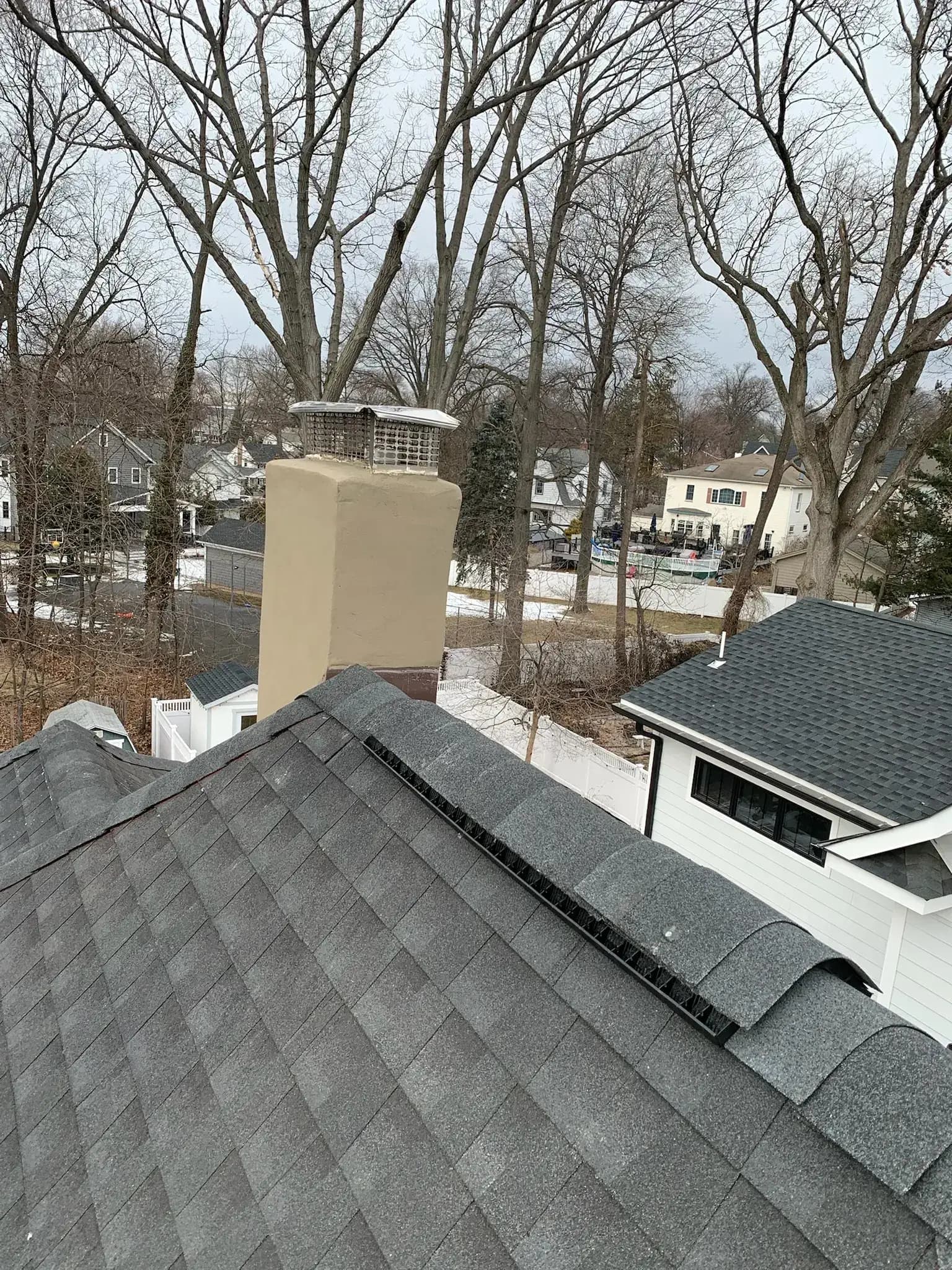
What Weather Can Change on a Roof
Roofs are designed to handle exposure, but significant weather events introduce physical stress. Heavy rain tests seals and drainage paths. Wind can lift materials or drive moisture upward beneath shingle edges. Snow and freeze/thaw cycles test structural limits and membrane integrity. Summer heat accelerates the deterioration of sealants and asphalt compounds.
After severe weather, homeowners may notice displaced materials, damaged flashing, exposed underlying layers, or interior signs like ceiling stains and attic moisture.
A Coastal Location Changes the Conversation
Homes situated near the coast—like those in the broader Asbury Park area—experience environmental factors that inland homes may not face as intensely. Increased wind exposure and atmospheric moisture affect how a roof performs over time.
These conditions influence material selection. For example, if considering a metal roof, corrosion resistance becomes a vital conversation. The suitability of any roofing material depends heavily on its specific location, exposure level, and professional installation standards.
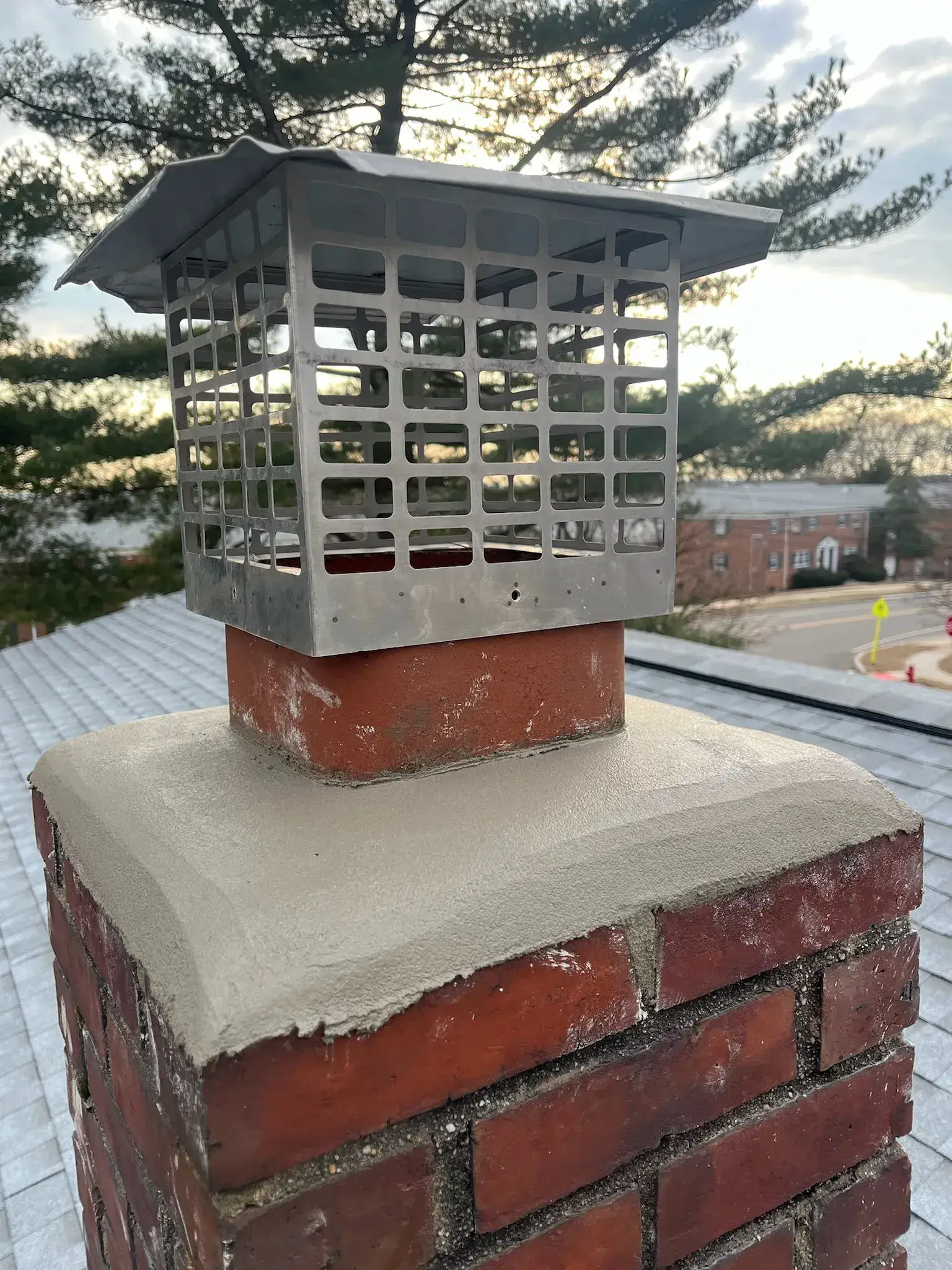
Where One Roofing Surface Meets Another
The vast majority of a roof is continuous material. The complexity lies in the transitions. Roof-to-wall intersections, valleys, chimneys, vent pipes, and eaves require meticulous attention.
These areas involve multiple materials or changes in direction, making them highly dependent on properly installed metal flashing and sealants. When moisture intrusion occurs, it is frequently traced back to a compromised transition rather than a failure of the main field shingles.
The Asbury Park Roof Weather Check
An educational checklist for homeowners after a weather event.
After Strong Wind
- Do you see displaced or missing roofing materials from the ground?
- Are flashing areas around chimneys visibly damaged or loose?
- Are gutters or downspouts detached or damaged?
After Heavy Rain
- Are there any new, unexplained ceiling stains inside?
- Is there any noticeable moisture or damp smell in the attic?
- Has a previously patched leak re-opened?
Before Calling a Roofer
- • Note the approximate age of your roof if known.
- • Recall the date of the last known repair or maintenance.
- • Take safe photos of any interior stains or exterior debris from the ground.
Want a professional look at what changed?
Request a Professional InspectionNot Every Roof Change Means Replacement
A visible change in your roof can lead to entirely different outcomes depending on professional evaluation:
Age Gives You Context. Condition Gives You Information.
Does an older roof automatically need replacement? No. Installation age is just one factor.
A 15-year-old roof that was poorly ventilated may require replacement sooner than a 20-year-old roof installed with optimal ventilation and premium materials. We assess material degradation, weather exposure, previous repairs, and overall system condition rather than relying solely on a calendar date.
After a Storm, Document Before You Guess
If you suspect weather-related damage, follow a safe and methodical process.
OBSERVE
Look from safe ground locations only.
PHOTOGRAPH
Capture visible changes or debris.
RECORD
Note when interior symptoms appeared.
INSPECT
Arrange a professional assessment.
Repair vs. Replacement
We consider a repair when damage is localized, the surrounding materials remain serviceable, and the underlying decking is in reasonable condition.
We consider replacement when deterioration is widespread, problems are recurring, significant areas require invasive work, or the system is approaching the end of its useful service life.
What Can Change the Cost of Roofing Work?
- • Roof Size & Pitch: Steeper, larger roofs require more labor and safety equipment.
- • Complexity: Dormers, multiple valleys, and numerous penetrations increase labor time.
- • Materials: Premium architectural shingles or metal systems alter the baseline cost.
- • Hidden Damage: Replacing rotted decking discovered after tear-off adds to the scope.
- • Ventilation Upgrades: Correcting poor airflow requires additional components.
From Weather Event to Roofing Plan
You observe a change in your roof's condition or find an interior leak.
We perform a diagnostic evaluation and clearly explain the physical findings.
We provide a transparent scope of work, schedule the project, and execute the repair or replacement.
Dedicated to Asbury Park City & Monmouth County
Apex Roofing Solutions NJ provides expert residential roofing services to homeowners in Asbury Park City, throughout Monmouth County, and across New Jersey. We understand the specific demands of coastal weather exposure and are committed to helping you protect your property with reliable roof repair, replacement, and storm damage response.
Asbury Park Roofing FAQs
Request an Inspection
Provide your details below, and our team will contact you to schedule a professional evaluation of your roof.
Quick Quote